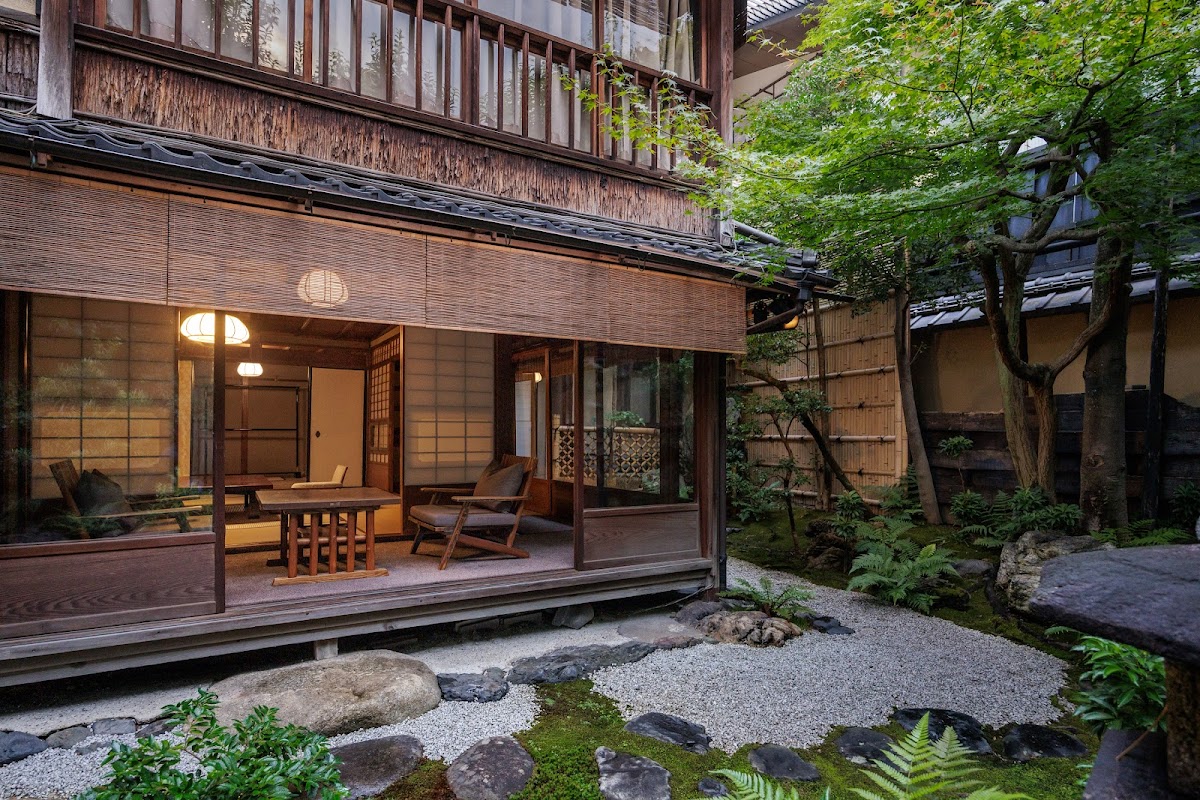
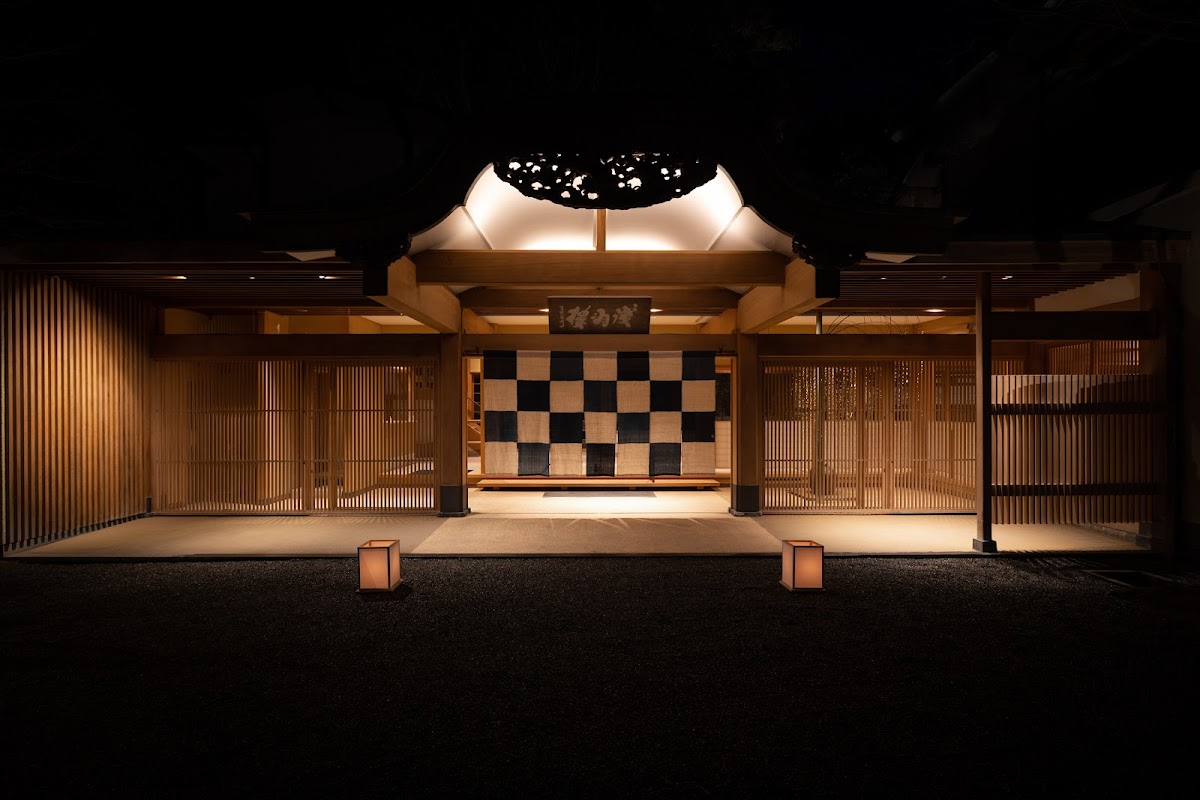
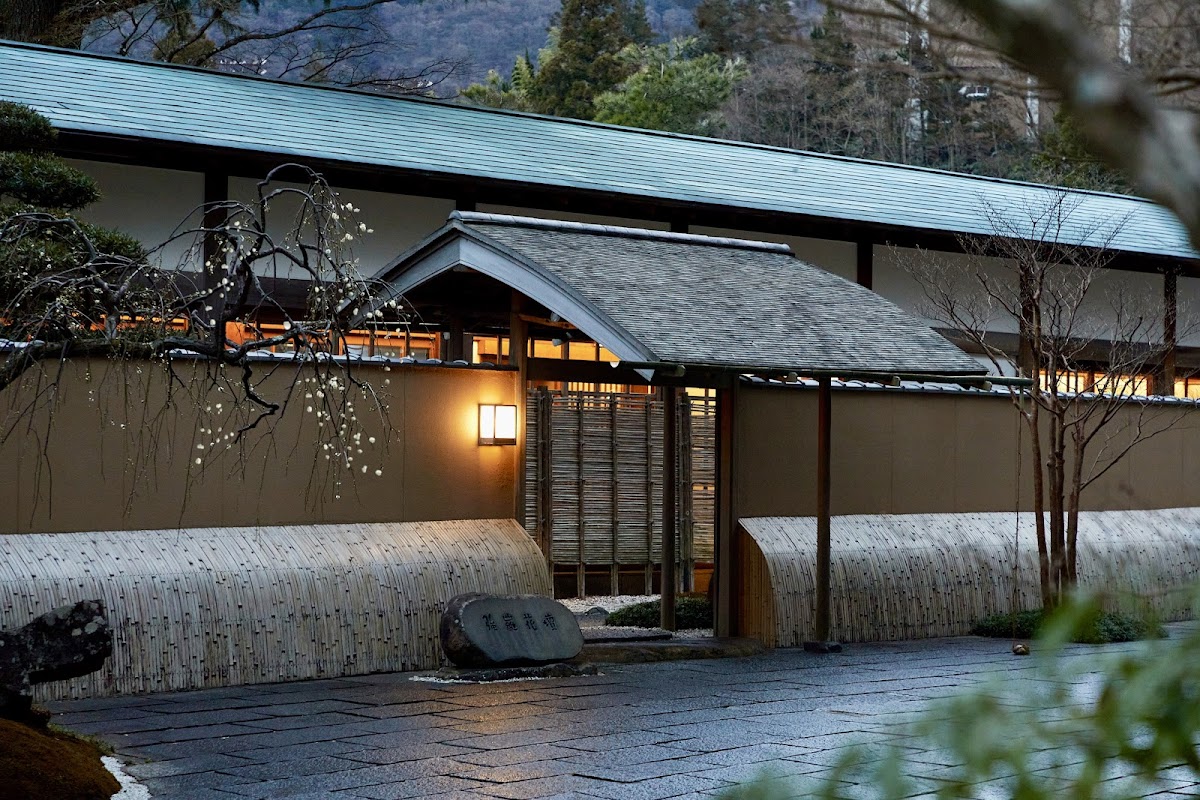
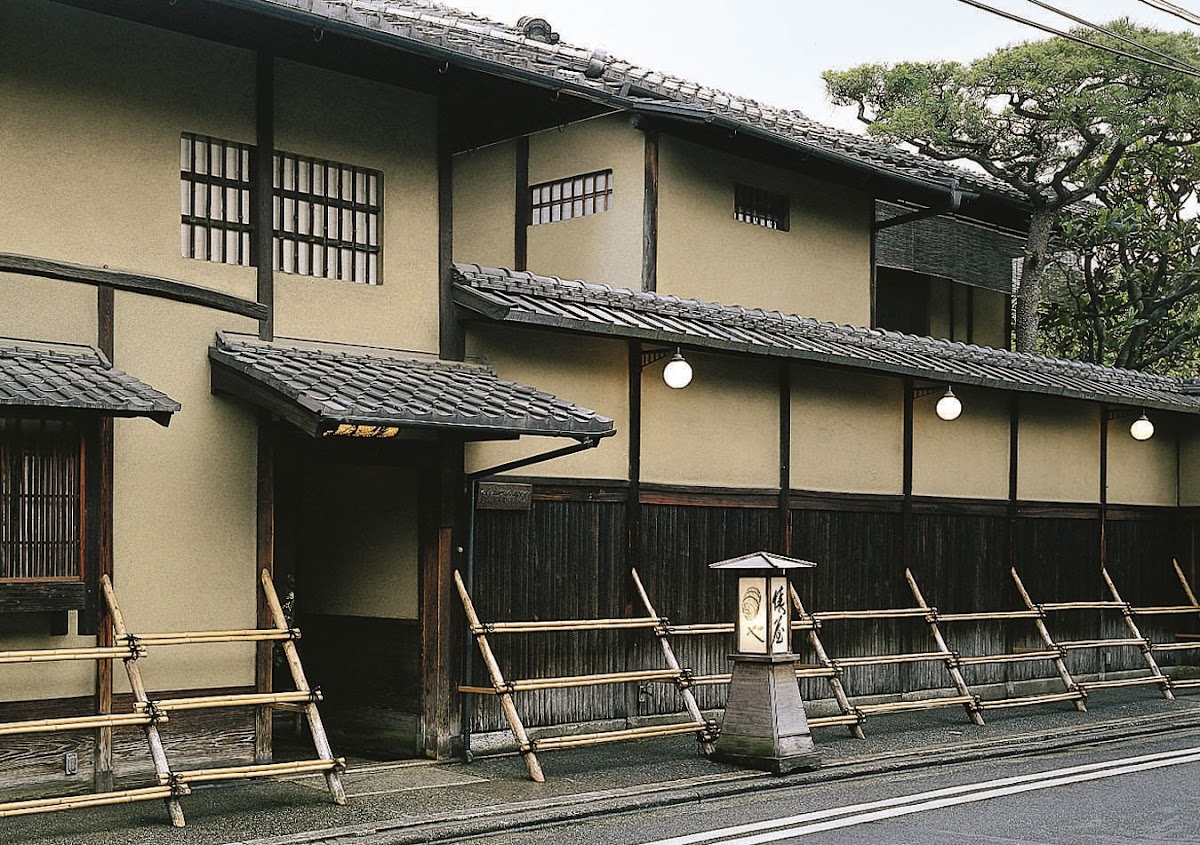
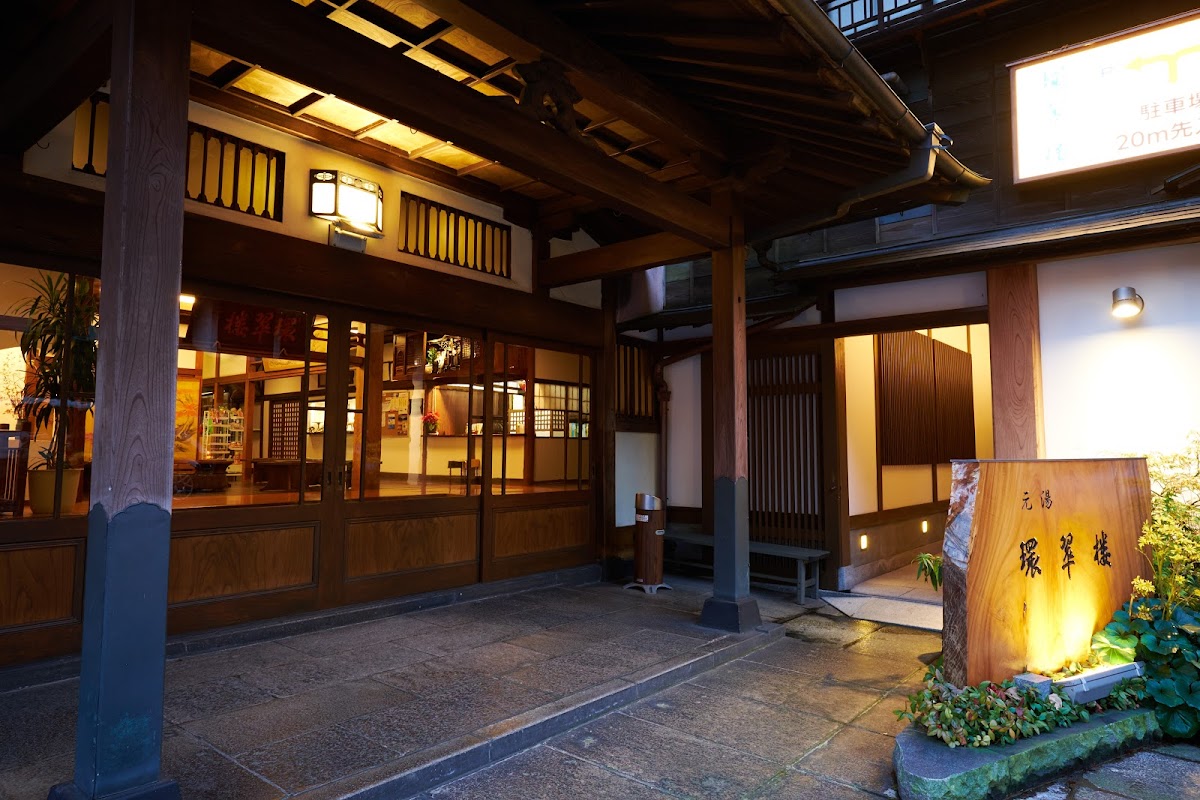
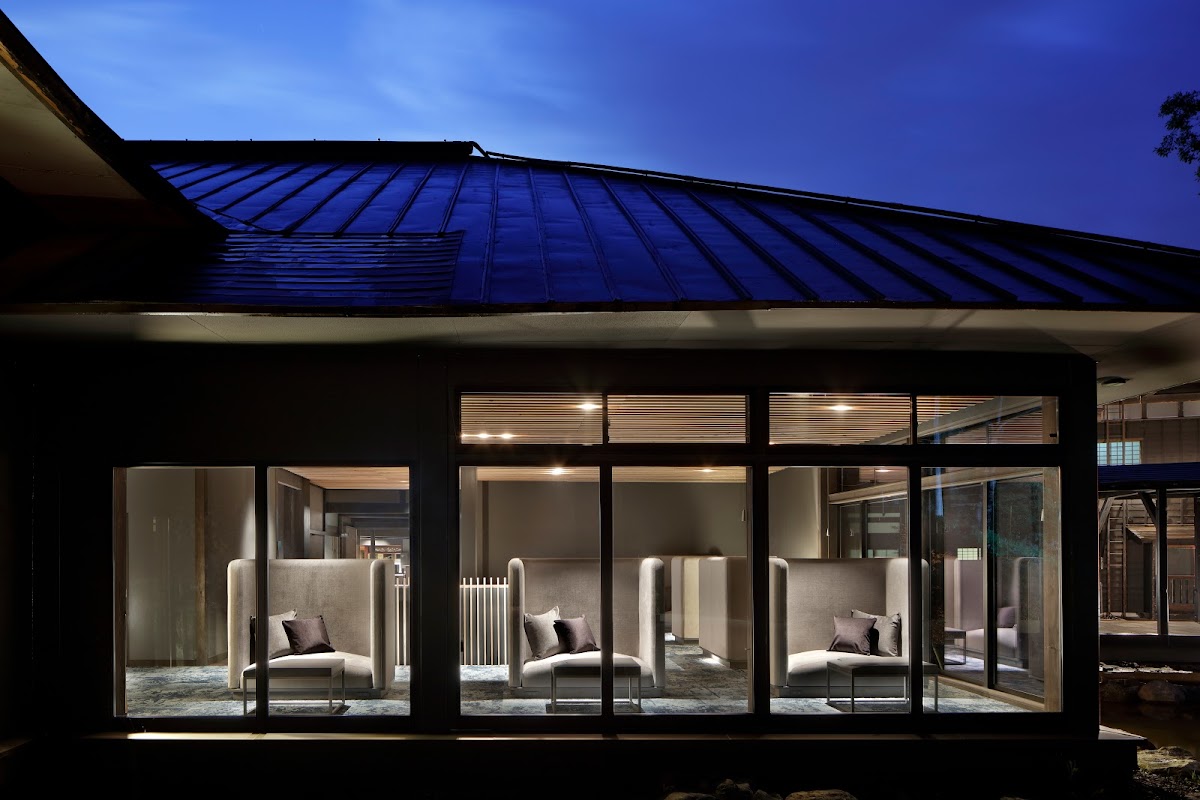
If you are planning a trip to Japan, you have probably encountered the word "ryokan" and wondered what it actually means. The short answer: a ryokan is a traditional Japanese inn. The longer answer is more interesting, because a ryokan is not just a place to sleep. It is an immersive experience that weaves together Japanese architecture, cuisine, bathing culture, and hospitality into something you will not find anywhere else in the world.
This guide explains everything a first-time visitor needs to know: what happens during a ryokan stay, how to behave, what to bring, and how to choose the right property for your trip.
Ryokan Defined: More Than a Japanese Hotel
The word ryokan (旅館) literally translates to "travel hall." These inns have existed in Japan for over a thousand years, originally serving travelers along pilgrimage routes and trade roads. Today, ryokan range from modest family-run guesthouses to ultra-luxury retreats, but they share a common DNA: tatami floors, futon bedding, Japanese-style baths, and meals served as part of the stay.
What makes a ryokan fundamentally different from a hotel is the concept of omotenashi (おもてなし), a form of hospitality that anticipates your needs before you express them. At a ryokan, the staff are not just providing a service; they are curating an experience. Your room attendant (nakai-san) may serve your meals in your room, lay out your futon while you bathe, and remember your preferences from one visit to the next.
The Japanese government officially recognizes ryokan as a distinct category of accommodation under the Ryokan Business Act. To be classified as a ryokan, a property must meet specific standards regarding room size, bedding style, and service format. This legal distinction means the word carries weight, unlike the casual use of terms like "boutique hotel" elsewhere.
The Anatomy of a Ryokan Stay
A ryokan stay follows a rhythm that has been refined over centuries. Understanding this flow will help you relax into the experience rather than wondering what comes next.
Arrival and Check-In (3:00-4:00 PM)
Most ryokan have a check-in window between 3:00 and 5:00 PM. This is not arbitrary; the staff need time to prepare your room and your dinner. Arriving within the window is considered good form. You will be greeted at the entrance, asked to remove your shoes (slippers are provided), and escorted to your room. At many ryokan, green tea and a seasonal sweet will be waiting on the low table in your room.
Changing into Your Yukata
A yukata (cotton robe) and obi (belt) will be laid out for you. This is your outfit for the rest of your stay. You wear it to the baths, to dinner, around the property, and to sleep. At some onsen towns, you can even wear it outside while strolling the streets. The yukata is always wrapped left side over right. Right over left is reserved for dressing the deceased, so getting this wrong will cause a stir. For a detailed guide, see our article on how to wear a yukata.
Bathing (Before Dinner)
The first bath of your stay is a highlight. If your ryokan has an onsen (hot spring bath), the mineral-rich water will ease any travel fatigue. Most ryokan have gender-separated communal baths, and many also offer private baths you can reserve. Some luxury ryokan like Zaborin include private baths in every room. For complete bathing etiquette, see our onsen etiquette guide.
Dinner (6:00-7:30 PM)
Dinner is the centerpiece of a ryokan stay. At most properties, this means kaiseki, a multi-course meal that showcases seasonal ingredients in an artful progression. A typical kaiseki dinner includes 8-12 courses: an appetizer, sashimi, a simmered dish, a grilled dish, a steamed dish, rice, miso soup, and pickles, among others. Every element, from the ingredients to the serving vessels, reflects the current season. Learn more about this cuisine in our kaiseki cuisine guide.
At smaller ryokan, dinner may be served in your room by your nakai-san. At larger properties, a private dining room or restaurant is more common. Either way, dinner time is fixed, usually between 6:00 and 7:30 PM. Arriving late is not an option, as each course is prepared fresh and timed to a sequence.
After Dinner: Evening Bath and Sleep
After dinner, many guests take a second bath. The communal baths are typically open until 10:00 or 11:00 PM. While you are at dinner or bathing, the staff will have transformed your room: the table is pushed aside and thick cotton futons are laid directly on the tatami floor. If you have never slept on a futon, see our guide to sleeping on tatami.
Morning: Breakfast and Check-Out
Many guests wake early for a morning bath, the light and temperature are different, and the baths are often empty. Breakfast is typically served between 7:30 and 9:00 AM and is as carefully prepared as dinner, though in a Japanese breakfast style: grilled fish, rice, miso soup, pickled vegetables, tofu, egg, and seaweed. Check-out is usually by 10:00 or 11:00 AM.
Types of Ryokan
Not all ryokan are the same. The category spans a wide range:
- Classic luxury ryokan: Properties like Tawaraya in Kyoto (operating since 1709) and Hiiragiya represent the pinnacle of traditional Japanese hospitality. Expect meticulous service, exceptional kaiseki, and rooms with garden views. Prices typically start at $500+ per person.
- Onsen ryokan: Built around hot spring bathing, these are the most common type. They range from rustic mountain retreats to sleek modern properties. Gora Kadan in Hakone is a prime example of a luxury onsen ryokan, while Kansuiro represents the historic end of the spectrum.
- Modern/designer ryokan: A growing category that maintains ryokan traditions (tatami, futon, kaiseki) while incorporating contemporary architecture and design. Properties like Beniya Mukayu and Zaborin appeal to design-conscious travelers.
- Rural/farmhouse ryokan: Smaller properties in countryside settings, often family-run, with home-style cooking and a more intimate atmosphere. Ryugon in Niigata exemplifies this category, combining historical architecture with refined rural hospitality.
- Budget ryokan: More basic facilities but still following the ryokan format. Rooms may be simpler, meals less elaborate, and service less personalized, but the core experience remains.
For a deeper comparison of accommodation types, see our guide to minshuku vs ryokan vs hotel.
What to Bring (and What Not to Bring)
Ryokan provide almost everything you need, which means you can pack lighter than you might expect:
- Provided: Yukata, obi belt, bath towels, hand towels, toothbrush, razor, shampoo, conditioner, body soap, hair dryer, slippers, and room tea set with sweets.
- Bring: Any personal toiletries you prefer, a small bag for carrying items to the bath, warm socks for winter (ryokan hallways can be cold), and any medications.
- Leave behind: There is no need for pajamas (the yukata is your sleepwear), multiple outfits (you will wear the yukata most of the time), or slippers (provided at entry).
Ryokan Etiquette: The Essential Rules
Japanese hosts understand that international guests may not know every custom, and they are generally forgiving. That said, knowing the basics shows respect and will make your experience smoother:
- Shoes off at the entrance. This is non-negotiable. Place your shoes in the designated area or the shoe box provided. Wear the slippers given to you indoors, but remove them when stepping onto tatami floors (stocking feet or bare feet only on tatami).
- Bathroom slippers are separate. Near the toilet, you will find dedicated bathroom slippers. Swap into them when entering and swap back when leaving. Forgetting to change back is the most common faux pas among visitors.
- Meals are at set times. Unlike a hotel where you eat when you want, ryokan meals follow a schedule. Respect the time given to you at check-in.
- Tipping is not expected. In fact, tipping can cause confusion in Japan. The service charge is included in your rate.
- Use the room appropriately. Do not drag furniture across tatami (it damages the woven surface). Do not step on the tokonoma (the decorative alcove with a scroll and flower arrangement).
- Quiet hours matter. Ryokan are calm environments. Keep noise levels low, especially after 9:00 PM.
How Much Does a Ryokan Cost?
Ryokan pricing is typically quoted per person per night, not per room, because meals are included. This is the most common source of confusion for international travelers used to hotel pricing.
- Budget: $80-150 per person per night. Basic rooms, shared baths, simpler meals.
- Mid-range: $200-400 per person per night. Good kaiseki, some rooms with private baths, attentive service.
- Luxury: $500-1,500+ per person per night. Exceptional cuisine, private baths, dedicated room attendant, often award-winning properties.
When comparing to hotel prices, remember: a $300/person ryokan rate includes what would be a $150+ dinner and a $50+ breakfast at a comparable restaurant. The true accommodation cost is lower than the headline number suggests.
Choosing Your First Ryokan
For a first-time visitor, consider these factors:
- Location and access: If you are based in Tokyo, Hakone ryokan like Gora Kadan or Kansuiro are just 1.5 hours away. For a deeper immersion, venture to the mountains of Niigata or the onsen towns of Tohoku.
- Onsen or no onsen: If hot spring bathing is important (it should be), choose a ryokan with its own onsen source. City ryokan in Kyoto like Hiiragiya offer impeccable cultural immersion but typically do not have natural hot springs.
- Size: Smaller ryokan (under 20 rooms) tend to offer more personalized service. Larger ones may have more facilities but can feel less intimate.
- International guest experience: Some ryokan have decades of experience with international visitors and provide English-language guides, multilingual staff, and gentle guidance through customs. Properties like Asaba in Shuzenji balance traditional authenticity with accessibility for foreign guests.
Our Top Ryokan Recommendations for First-Timers
A former imperial summer villa with exceptional kaiseki, multiple onsen baths, and refined service. Close to Tokyo, making it ideal for travelers with limited time. The staff are highly experienced with international guests.
Operating since 1818, Hiiragiya is a masterclass in Kyoto hospitality. Garden rooms, impeccable kaiseki, and a sense of history that permeates every detail. The traditional wing preserves the authentic ryokan atmosphere while the newer wing offers modern comforts.
A 500-year-old ryokan with a Noh stage over a reflective pond. Asaba earned Michelin 3 Keys and represents the highest expression of traditional ryokan culture. The combination of performing arts, cuisine, and architecture makes each stay unforgettable.
Frequently Asked Questions
A ryokan is a traditional Japanese inn characterized by tatami-matted rooms, futon bedding, communal or private baths (often fed by hot springs), and multi-course kaiseki meals. The experience follows a structured rhythm of bathing, dining, and resting that has evolved over centuries.
Ryokan prices range from about $80-120 per person per night at budget properties to $500-1,500+ at luxury establishments. Most rates include dinner and breakfast. Mid-range ryokan with good service and private baths typically cost $200-400 per person.
Not necessarily. Many ryokan in popular areas have English-speaking staff or written guides. Luxury properties like Gora Kadan and Hiiragiya accommodate international guests seamlessly. The structured flow of a ryokan stay makes the experience intuitive even without shared language.
A standard stay includes your room, yukata robe, bath use, multi-course kaiseki dinner, and Japanese breakfast. Many also include tea and sweets on arrival, and some offer shuttle services from the nearest station.
Yes, though some luxury ryokan restrict younger children. Many family-friendly ryokan offer children's meals, smaller yukata, and connecting rooms. Always confirm the policy when booking.
Ready to dive deeper? Learn what to expect during your stay, understand the differences between minshuku, ryokan, and hotels, or browse our tips for booking a ryokan. When you are ready to choose, explore all properties on our map.