Japan sits on the Pacific Ring of Fire, where tectonic plates collide and volcanic heat pushes mineral-rich water to the surface across the entire archipelago. There are over 27,000 hot spring sources in the country and more than 3,000 onsen towns. For centuries, the Japanese have built inns around these springs, creating a hospitality tradition that blends bathing, cuisine, and rest into something greater than the sum of its parts.
An onsen ryokan stay is not just a night in a hotel with a hot tub attached. It is a complete experience with its own rhythm: arrive, change into a yukata robe, bathe, dine on multi-course kaiseki, sleep on a futon laid on tatami, wake, bathe again, eat breakfast, and leave feeling like a different person. This guide covers everything you need to know, from etiquette to the best properties we recommend.
What Makes Onsen Ryokan Special
The word "onsen" means hot spring, and by Japanese law, the water must meet specific mineral composition and temperature criteria to earn the designation. This matters because it means the water in a genuine onsen has therapeutic properties that ordinary heated bathwater does not. Different mineral compositions produce different effects: sulfur springs for skin conditions, iron springs for circulation, alkaline springs for softening skin.
A ryokan built around an onsen source designs everything around the bathing experience. The architecture channels water from the source to multiple baths. Indoor baths (uchiburo) are sheltered and temperature-controlled. Outdoor baths (rotemburo) expose you to the elements, whether that means autumn leaves falling into the water, snow landing on your shoulders, or stars overhead in a mountain valley.
The best onsen ryokan understand that bathing is not the only draw. Kaiseki cuisine, a multi-course meal that changes with the seasons, is often the equal of the baths. Rooms with tatami floors and futon bedding provide a different quality of rest than Western beds. The overall atmosphere, quiet hallways, garden views, the rustle of yukata robes, creates a sense of peace that accumulates over the course of a stay.
Onsen Etiquette: What Every Visitor Should Know
Onsen bathing has clear customs that are easy to follow once you know them. None are arbitrary; each exists for a practical reason.
- Wash before you soak. Every onsen has a washing area with stools, showers, and soap. Wash your entire body thoroughly before entering the communal bath. This keeps the bath water clean for everyone.
- No swimwear. Communal onsen are entered without clothing. Gender-separated bathing is the norm. Mixed-gender baths (konyoku) are increasingly rare.
- Towels stay out of the water. You may carry a small hand towel for modesty on the walk to the bath, but it should not enter the water. Most people fold it and place it on their head while bathing.
- Enter quietly. Onsen are places of calm. Keep conversations low, avoid splashing, and move gently in the water.
- Tattoo policies vary. Some onsen restrict tattooed guests from communal baths. Properties with private baths (kashikiri-buro) or rooms with attached onsen eliminate this concern entirely.
- Stay hydrated. Hot spring bathing is dehydrating. Drink water before and after your bath. Most ryokan place cold water or tea in the bathing area.
Best Seasons for Onsen Ryokan
While onsen ryokan operate year-round, each season brings a distinct character to the experience:
Winter (December-February) is the quintessential onsen season. The contrast between freezing air and steaming water is at its most dramatic. Snow-covered outdoor baths, particularly in Tohoku and Hokkaido, produce scenes of extraordinary beauty. This is when properties like Tsurunoyu in Akita and Zaborin in Niseko are at their most magical.
Autumn (October-November) combines onsen bathing with Japan's famous autumn foliage. Soaking in an outdoor bath while red and gold leaves drift overhead is one of Japan's great sensory experiences. Nikko, Hakone, and the Tohoku mountains are prime autumn onsen destinations.
Spring (March-May) brings cherry blossoms and fresh green shoots to ryokan gardens. The water feels different in spring, somehow lighter, and the longer daylight hours mean more time to enjoy outdoor baths before dinner.
Summer (June-August) is the least popular onsen season, which is precisely why savvy travelers choose it. Rates drop, availability opens up, and the lush green forests surrounding mountain ryokan are at their most vibrant. Evening outdoor baths with fireflies are a summer specialty in some regions.
Our Top Onsen Ryokan Recommendations
For the Ultimate Luxury: Zaborin (Hokkaido)
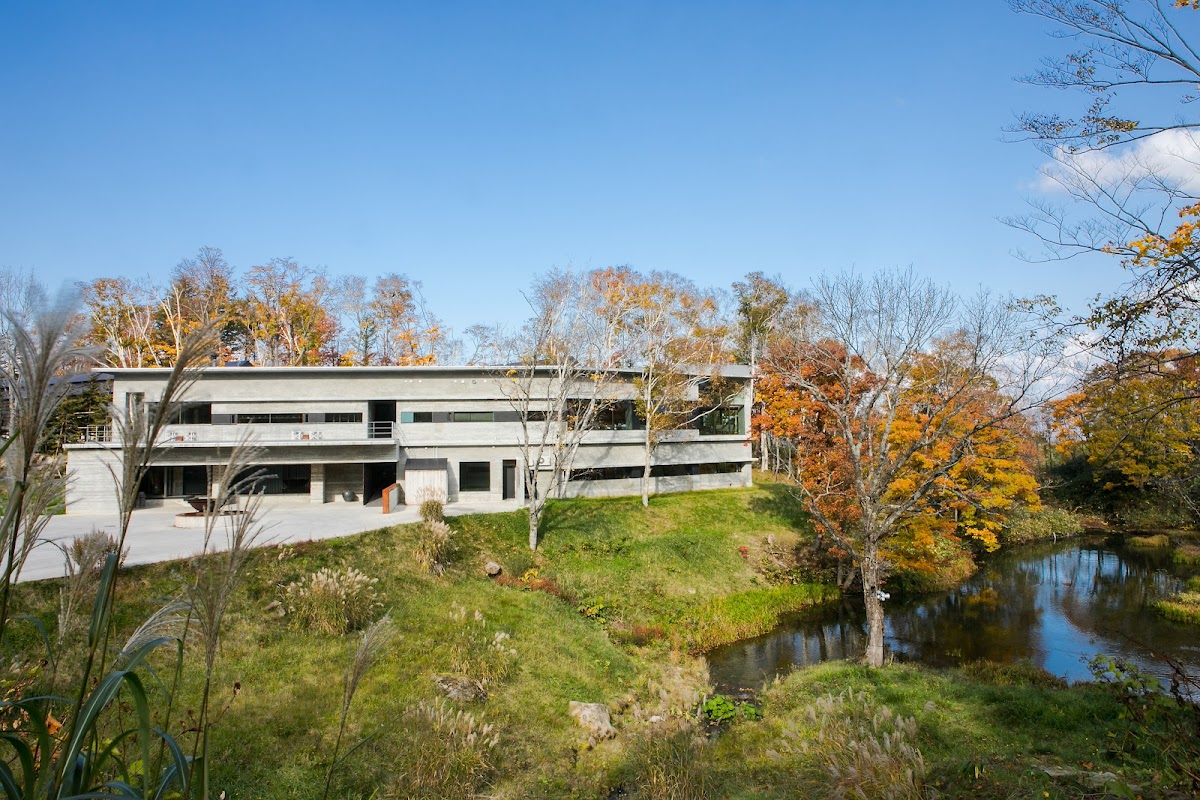
Every room at Zaborin has two private onsen baths, one indoor and one outdoor, fed by the property's own hot spring source. The architecture by Nakayama Architects integrates seamlessly with the surrounding birch forest. The kaiseki cuisine draws on Hokkaido's legendary ingredients: uni from Shakotan, lamb from the highlands, vegetables from nearby farms. Zaborin is the benchmark against which other luxury onsen ryokan are measured.
For Historic Atmosphere: Tsurunoyu Onsen (Akita)
Operating for 350 years in the mountains of Akita, Tsurunoyu is famous for its milky white outdoor bath, one of the most photographed onsen scenes in Japan. The thatched-roof buildings are lit by oil lamps in the evening. Meals are cooked over an irori hearth. In winter, snow piles two meters high around the outdoor bath, creating an otherworldly atmosphere that has not fundamentally changed in centuries.
For Refined Elegance: Gora Kadan (Hakone)
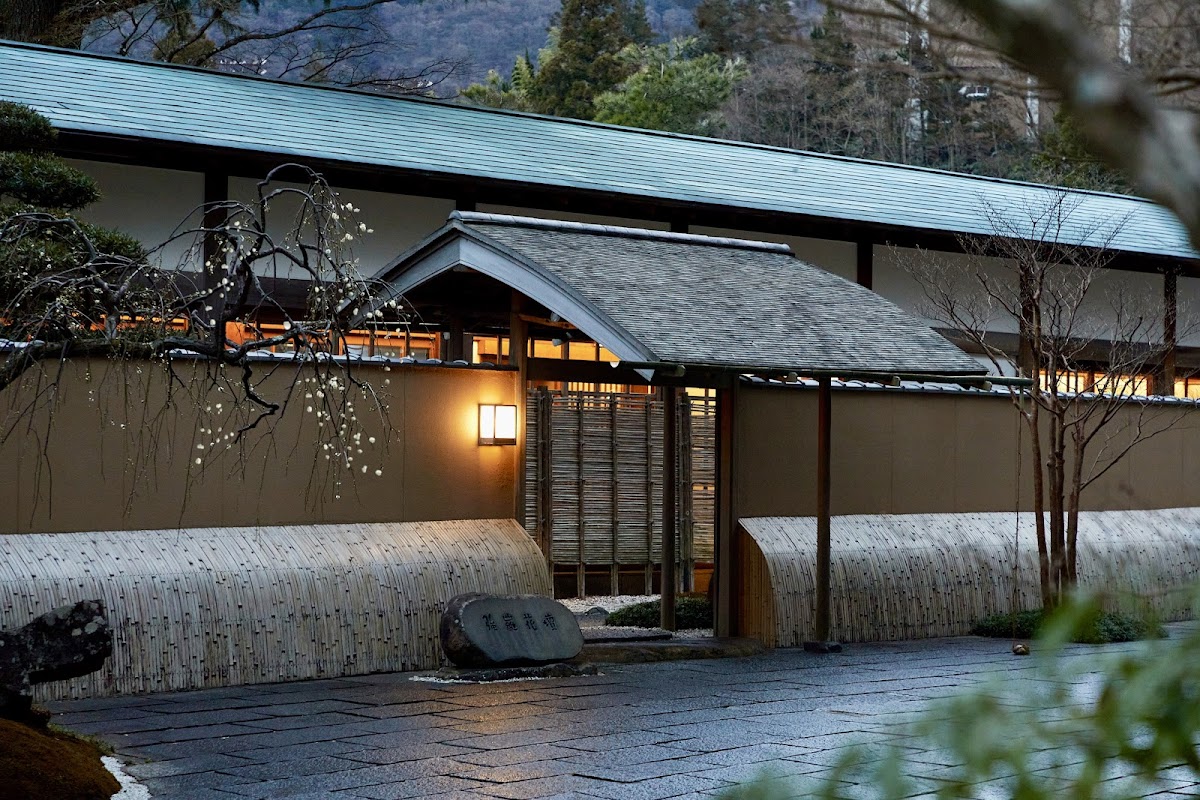
A former imperial summer retreat turned luxury ryokan, Gora Kadan sets the standard for refined onsen hospitality near Tokyo. The property draws from multiple hot spring sources, each with different mineral properties. The kaiseki dinner is a meticulously crafted seasonal progression. Only 1.5 hours from Tokyo, it offers a complete immersion in ryokan culture without a long journey.
For River Valley Setting: ARCANA IZU (Shizuoka)
A modern interpretation of the onsen ryokan concept, set above the Kano River gorge in Izu. The baths here overlook a forested ravine with the river below, and the restaurant merges French technique with Japanese ingredients to remarkable effect. For travelers who appreciate onsen culture but prefer contemporary design over traditional decor, ARCANA is an ideal choice.
For Sustainable Luxury: Beniya Mukayu (Ishikawa)
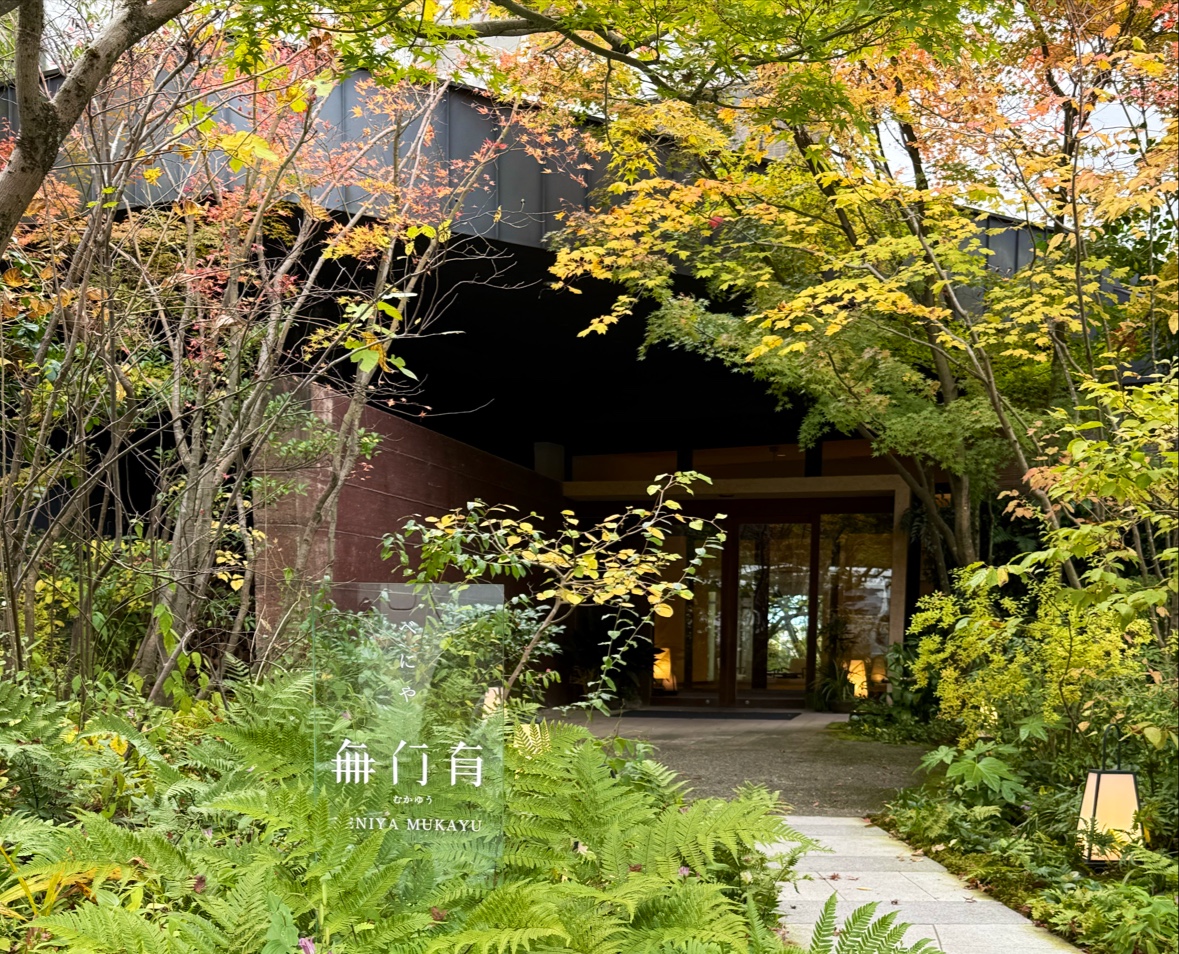
A century-old ryokan in Yamashiro Onsen that has earned Green Globe certification for its sustainability commitments without compromising on luxury. Each room has a private open-air onsen bath. The kaiseki cuisine is exceptional, drawing on Ishikawa's rich food culture of mountain vegetables, fresh seafood from the Sea of Japan, and Kaga-region specialties. The town's public bath houses, designed by leading architects, are worth visiting alongside the ryokan's own facilities.
For Intimate Scale: Kansuiro (Hakone)
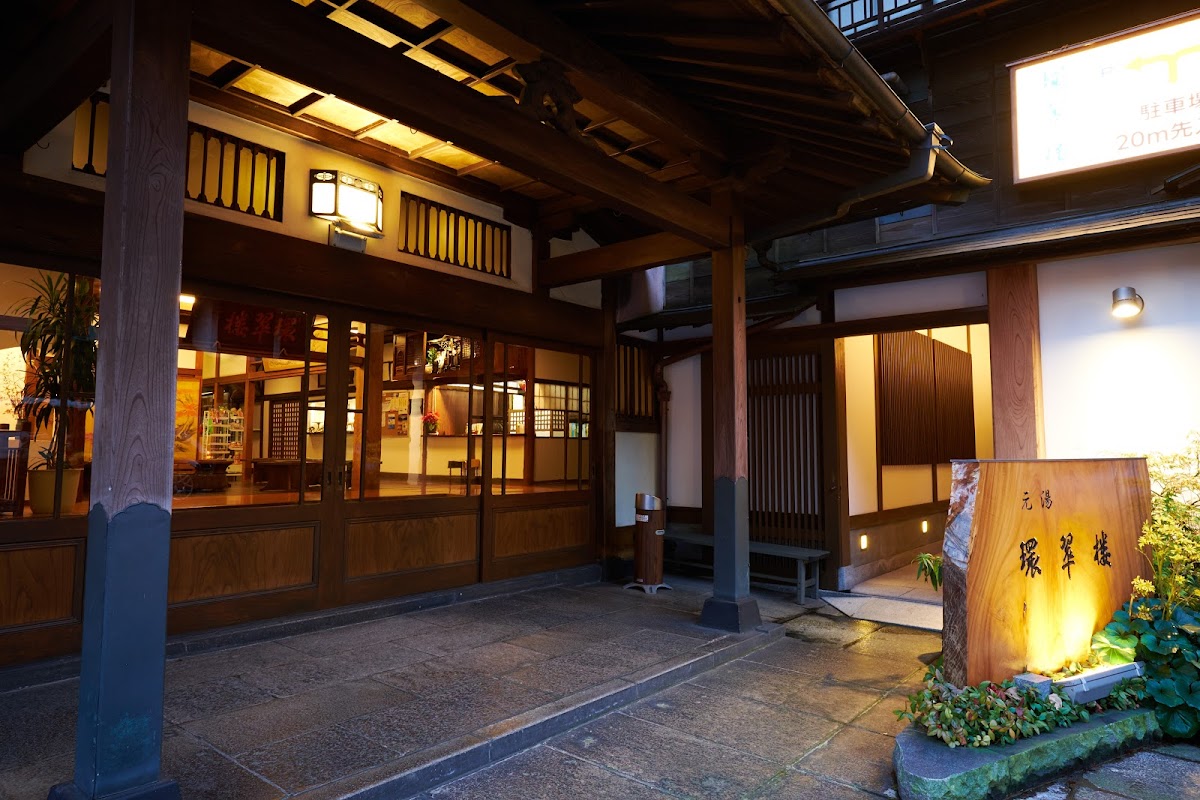
Four hundred years of continuous operation on the banks of the Sukumo River. Kansuiro is not the flashiest or most modern ryokan in Hakone, but it may be the most authentic. The wooden building creaks with history, the baths are modest but genuine, and the service carries the unhurried confidence of a family that has been welcoming guests since the early Edo period.
For Riverside Tranquility: Aura Tachibana (Hakone)
A welcoming ryokan on the Hayakawa River known for exceptional kaiseki cuisine and gracious service. The riverside rooms offer the gentle sound of flowing water day and night. For international visitors experiencing their first onsen ryokan, Aura Tachibana is particularly well-suited: the staff are experienced with foreign guests, and the atmosphere is warm without being formal to the point of intimidation.
For Remote Mountain Onsen: Oyado The Earth (Wakayama)
A secluded ryokan in the sacred Kumano region, where hot springs emerge in one of Japan's most spiritually significant landscapes. The outdoor baths overlook mountain forests that have been sites of religious pilgrimage for over a thousand years. The Kumano Kodo trail passes nearby, making this an excellent base for combining onsen bathing with ancient forest walking.
Private Onsen vs. Communal Baths
Many travelers, especially those new to onsen culture or those with tattoos, prefer properties with private baths. Here is how the options break down:
- In-room private onsen (tsuki rotemburo): The most private option. Properties like Zaborin and Setsugetsuka include private outdoor baths with every room.
- Reservable private baths (kashikiri-buro): Available at many ryokan for 45-60 minute sessions. Often free for guests; some charge a small fee.
- Communal baths (daiyokujo): The traditional experience. Gender-separated, entered without clothing. Usually the largest and most scenically positioned baths at the property.
Our recommendation: experience the communal baths at least once if you are comfortable doing so. The scale, atmosphere, and social dimension of a large communal bath are part of what makes onsen culture distinctive. But there is no pressure. Private baths provide the same water and therapeutic benefits.
Frequently Asked Questions
An onsen ryokan is a traditional Japanese inn built around natural hot spring bathing. These properties feature tatami rooms, futon bedding, kaiseki cuisine, and communal or private baths fed by volcanic hot spring water. The experience combines accommodation, dining, and bathing into a single cultural immersion.
The essential rules: wash your body thoroughly at the shower stations before entering the bath. Do not bring towels into the bath water. Enter quietly and avoid splashing. Most baths are gender-separated and entered without swimwear. People with tattoos should check policies in advance.
Winter (December-February) is the most atmospheric season, with snow-covered outdoor baths at properties like Tsurunoyu and Zaborin. Autumn (October-November) offers foliage views from the bath. Summer is underrated, with lower rates and lush green settings.
Policies are evolving. Many properties now offer private baths (kashikiri-buro) that anyone can use regardless of tattoos. Rooms with private onsen baths at properties like Zaborin and Setsugetsuka bypass the issue entirely.
Budget onsen ryokan start around $100-150 per person per night including two meals. Mid-range properties with private baths range from $200-400. Luxury properties like Gora Kadan and Beniya Mukayu cost $500-1,000+ per person per night.
Planning a ryokan trip from Tokyo? See our guide to the best ryokan near Tokyo. For a broader view of nature accommodation in Japan, check out 15 best nature hotels in Japan and cabin stays across Japan. Or browse all properties on our map.