Hakone is the closest significant natural landscape to Tokyo: a volcanic caldera about 90 minutes from Shinjuku by express train, filled with hot springs, mountain forests, Lake Ashi, and on clear days, views of Mt. Fuji that stop you in your tracks. It has been Tokyo's escape since the Edo period, when feudal lords built villas here and the old Tokaido highway crossed the mountains through what is now a national park.
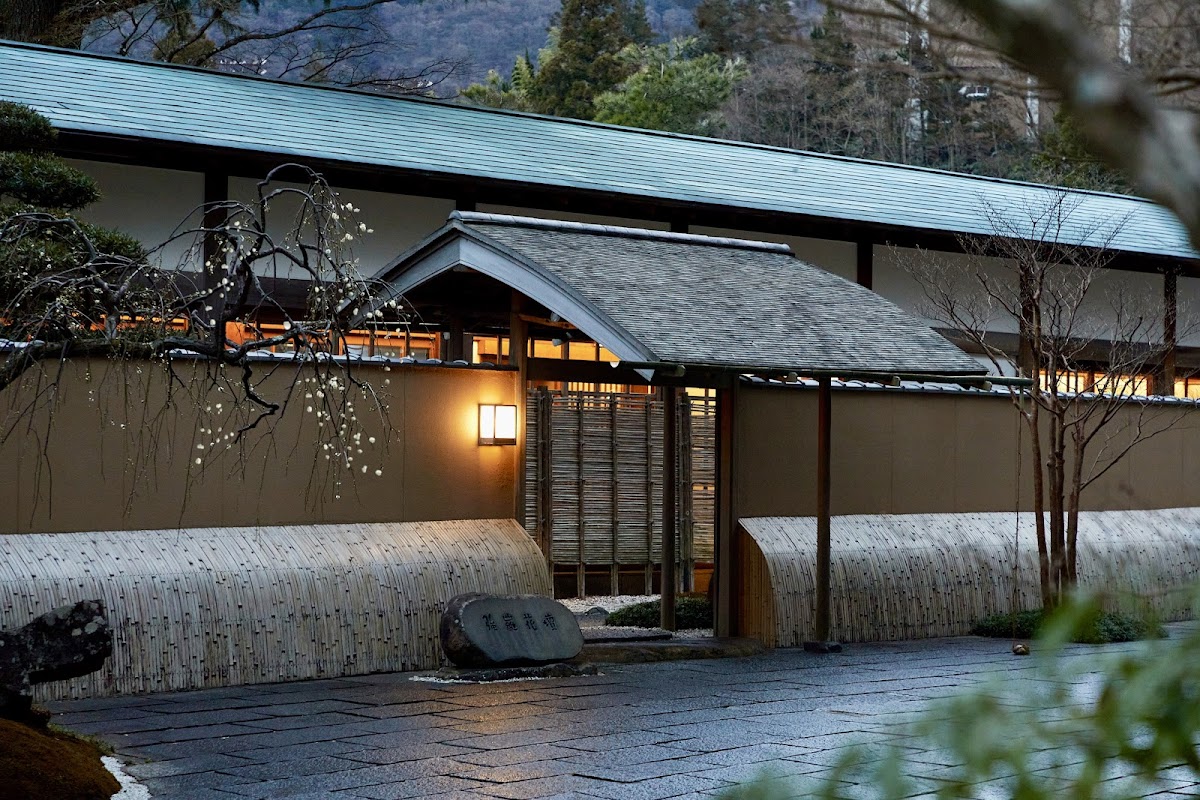
This concentration of nature, hot springs, and history has produced an extraordinary density of ryokan. There are hundreds in the Hakone area, ranging from budget inns to some of Japan's finest luxury properties. This guide focuses on the best options for travelers who want natural settings, quality onsen water, and the genuine ryokan experience rather than just a room with a bath.
Understanding Hakone's Areas
Hakone is not a single town but a collection of hot spring areas scattered across the caldera, each with its own character and spring source:
- Hakone-Yumoto: The gateway town at the base. Largest selection of ryokan, easiest access from the train station. The Hayakawa River runs through the center.
- Tonosawa: Just above Yumoto, along the river. More secluded, with ryokan tucked into the gorge.
- Miyanoshita: Historic international quarter from the Meiji era. Higher elevation, cooler temperatures.
- Gora: The upper station of the Hakone Tozan Railway. Mountain setting with views toward the caldera. The most concentrated luxury area.
- Sengokuhara: Highland plateau with pampas grass fields and modern retreats. More remote feeling.
Top Luxury Ryokan
Gora Kadan
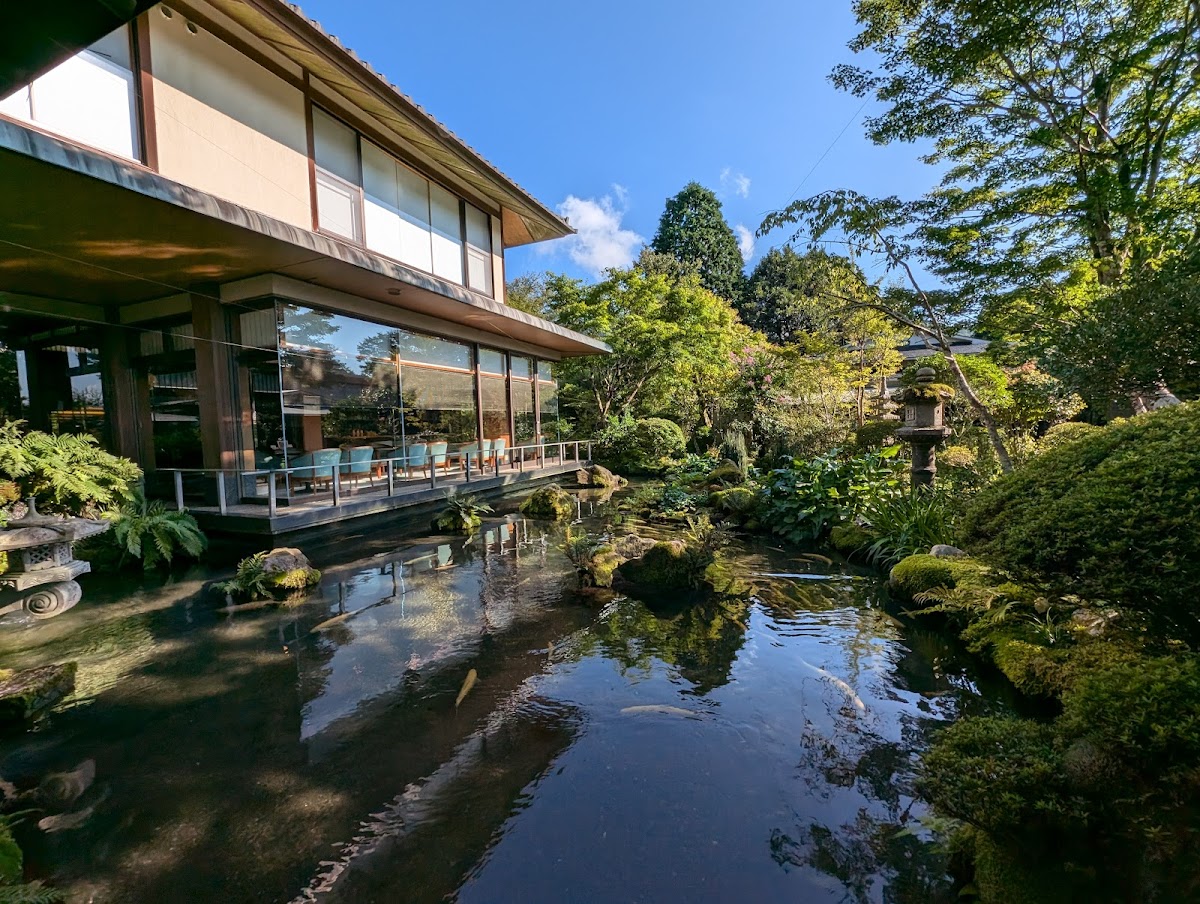
A former imperial summer villa turned luxury ryokan that consistently ranks among Japan's finest. The property draws from multiple hot spring sources, each with different mineral properties. The kaiseki dinner is a meticulously crafted seasonal progression. The gardens contain specimen trees planted during the imperial era. If you can only visit one Hakone ryokan, this is the standard by which others are measured.
Gora Hanaougi
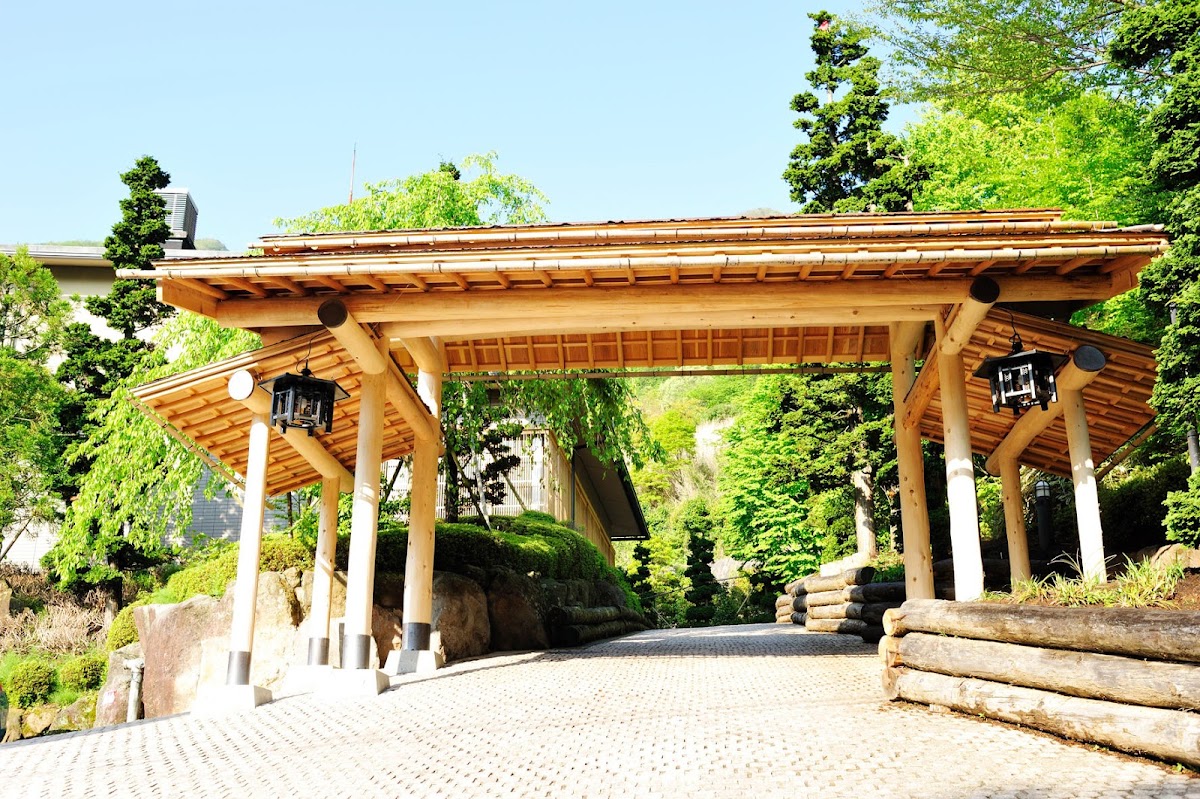
Temple-like mountain ryokan where every suite has a private open-air bath. The suites are built with native wood beams, and the baths look into Hakone's mountain forest. This is the top choice for guests who want private onsen without sacrificing atmosphere or quality. The architecture alone, massive timber framing inspired by temple construction, justifies the visit.
Historic and Atmospheric
Kansuiro
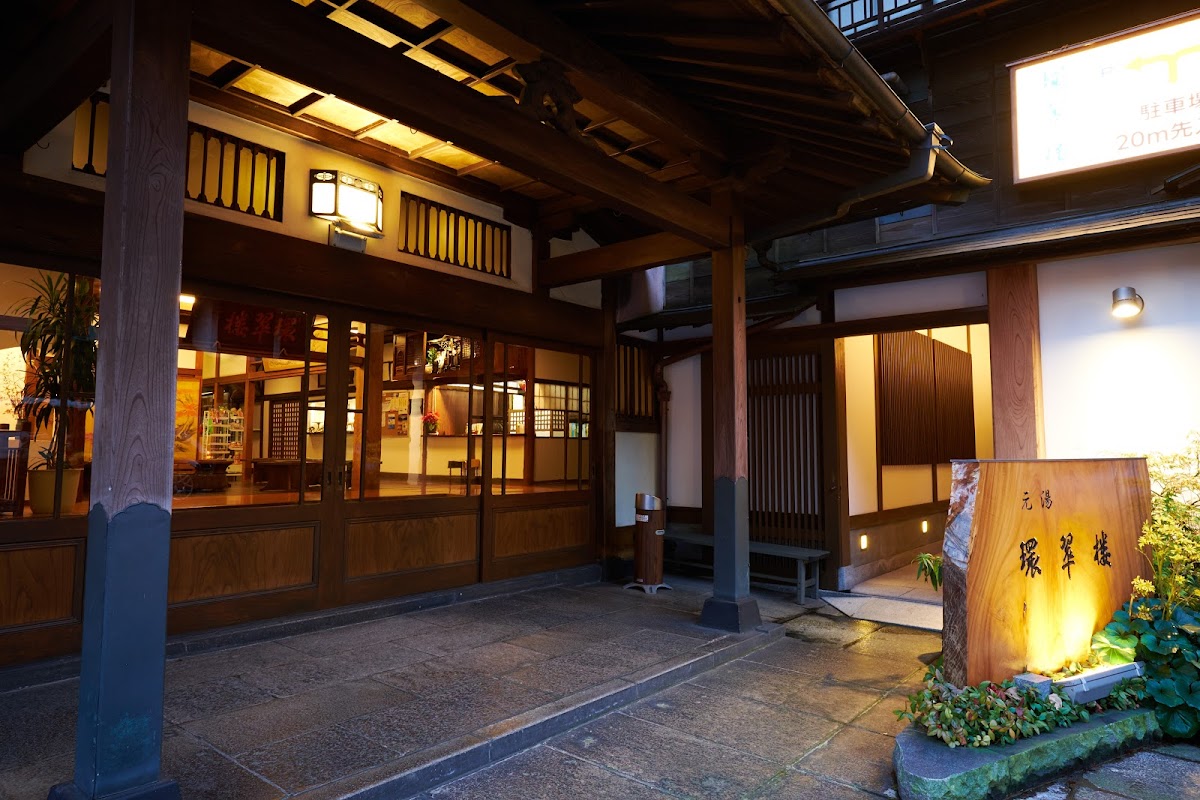
Four hundred years of continuous operation on the banks of the river. Kansuiro is a registered cultural property where the wooden building itself tells the story of Japanese inn-keeping. The baths are modest but genuine, the service carries generations of confidence, and the riverside setting provides the sound of flowing water throughout your stay. This is Hakone's heritage embodied in a single property.
Mikawaya Ryokan
Heritage ryokan in Hakone's historic international quarter of Miyanoshita. Mountain hot spring baths and art collection in a property that bridges Japanese and Western hospitality traditions, a reflection of Miyanoshita's history as the first Hakone area to welcome foreign visitors.
Hakone Amazake Chaya
Thatched-roof mountain inn on the ancient Tokaido highway, surrounded by cedar forest. Staying here places you on the same path that samurai, merchants, and pilgrims walked for centuries between Edo and Kyoto. The mountain cuisine and cedar-forest setting make this one of Hakone's most unique accommodation experiences.
Riverside and Valley Ryokan
Yoshimatsu
Intimate riverside ryokan with detached rooms and private open-air baths above the Hayakawa River. The sound of flowing water accompanies every moment. Smaller and more personal than many Hakone properties, Yoshimatsu offers private onsen bathing with genuine seclusion in a convenient location just above Yumoto.
Hakone Geihinkan Rin-Poh-Ki-Ryu
Deep valley retreat along the Hayakawa River designed for contemplative tranquility. The architecture channels the valley setting into every room, and the kaiseki cuisine reflects the mountain-and-river landscape. For those seeking stillness above all else.
Aura Tachibana
A welcoming riverside ryokan known for exceptional kaiseki cuisine and warm service. Particularly well-suited for international visitors experiencing their first ryokan: the staff are experienced with foreign guests, and the atmosphere is gracious without being intimidating. The river rooms provide natural white noise day and night.
Contemporary and Modern
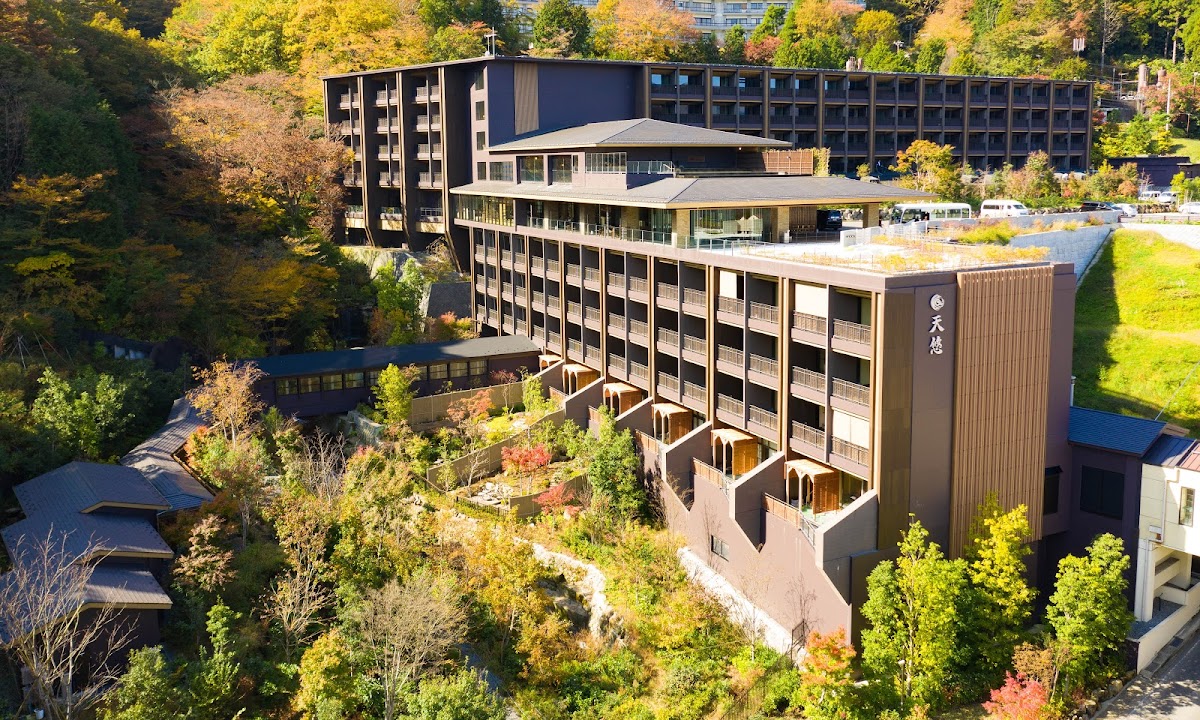
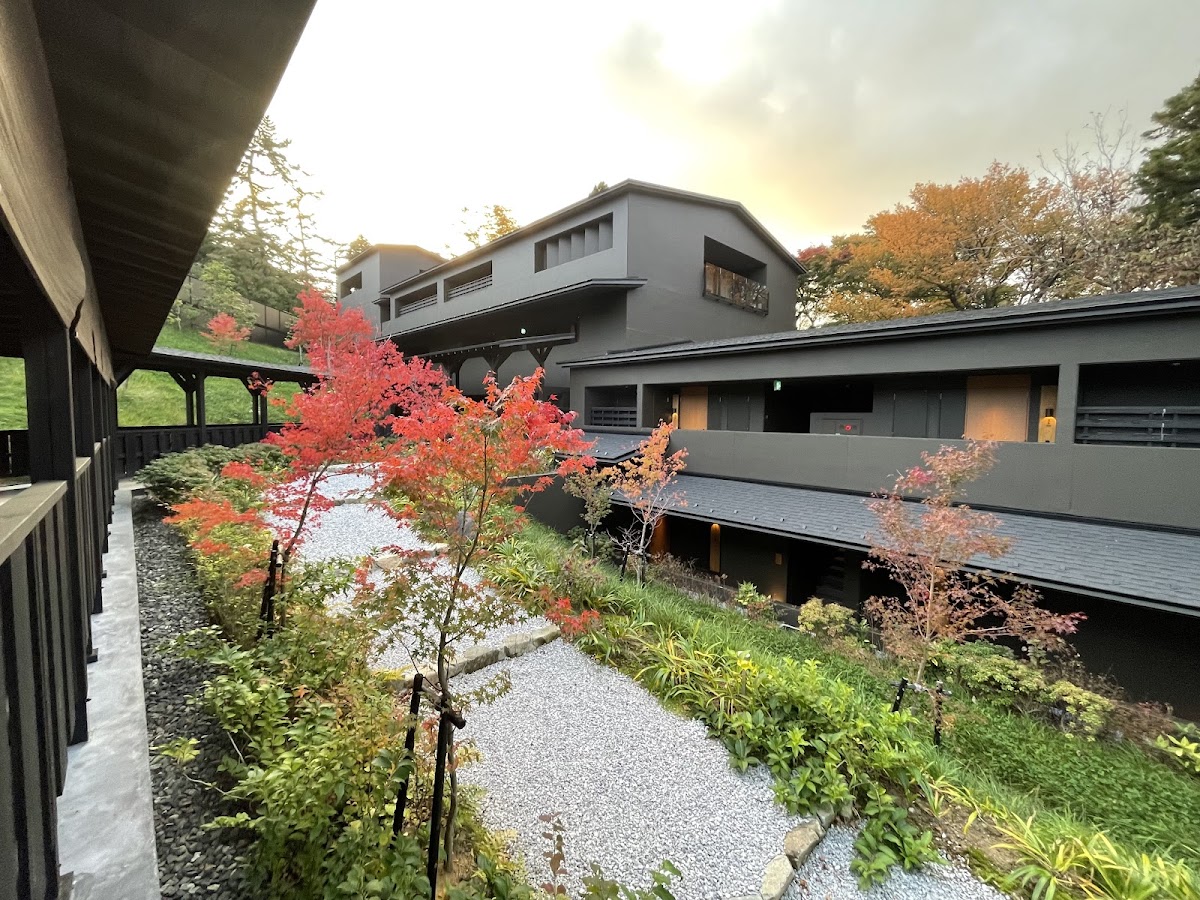
Hakone Kowakien Ten Yu
Sleek minimalist rooms with private terraced onsens overlooking Mt. Fuji on clear days. A more modern interpretation of the Hakone onsen experience, with clean-lined design and private bathing spaces that appeal to travelers who prefer contemporary aesthetics to traditional ryokan decor.
Fufu Hakone
Secluded mountain inn with panoramic windows and full-service spa in Hakone's Gora area. Part of the Fufu brand known for combining traditional onsen culture with modern luxury sensibility. The mountain views through the oversized windows and the professional spa set this apart from traditional ryokan.
Hakone Retreat Fore
Forest retreat on the Sengokuhara plateau with nature-walk onsen and mountain art. The Sengokuhara setting is quieter and more nature-immersed than central Hakone, with pampas grass fields in autumn and a more resort-like atmosphere than the traditional ryokan in the valley below.
Day-Use Onsen Option
Both day-trip and overnight facility with 19 private rental baths in Hakone forest. If you want to sample Hakone onsen without committing to an overnight ryokan stay, Hakone Yuryo offers private forest baths bookable by the hour, perfect for a stopover between Hakone activities.
How to Choose Your Hakone Ryokan
- For a first ryokan experience: Aura Tachibana or Gora Kadan both excel at welcoming international guests.
- For private onsen: Gora Hanaougi or Yoshimatsu offer private baths in every room.
- For historic atmosphere: Kansuiro provides 400 years of heritage.
- For autumn foliage: Gora Kadan and Hakone Retreat Fore are superbly positioned for autumn color.
- For modern design: Ten Yu and Fufu Hakone bring contemporary aesthetics to the Hakone experience.
Frequently Asked Questions
Gora Kadan is the premier luxury choice. Kansuiro is best for history. Gora Hanaougi leads for private onsen. Aura Tachibana is ideal for first-time ryokan visitors.
Take the Odakyu Romancecar from Shinjuku to Hakone-Yumoto (85 minutes, reserved seats), or Shinkansen to Odawara (35 minutes from Tokyo Station) then Hakone Tozan Railway. The Hakone Free Pass covers unlimited transport within the area.
Autumn (late October to mid-November) for foliage. Winter for atmospheric snow-dusted onsen. Spring for fresh green and Fuji views. Weekdays are significantly less crowded than weekends.
For more Tokyo-accessible options, see our ryokan near Tokyo guide. For onsen advice, check our etiquette guide and private onsen guide. Browse all Hakone properties on our interactive map.