The choice between ryokan and hotel is one of the first decisions Japan travelers face, and it shapes the entire character of a trip. Both can be extraordinary. But they are fundamentally different experiences, designed around different assumptions about what a night away from home should feel like. This guide breaks down the practical differences so you can decide which is right for each stage of your itinerary.
What Is a Ryokan?
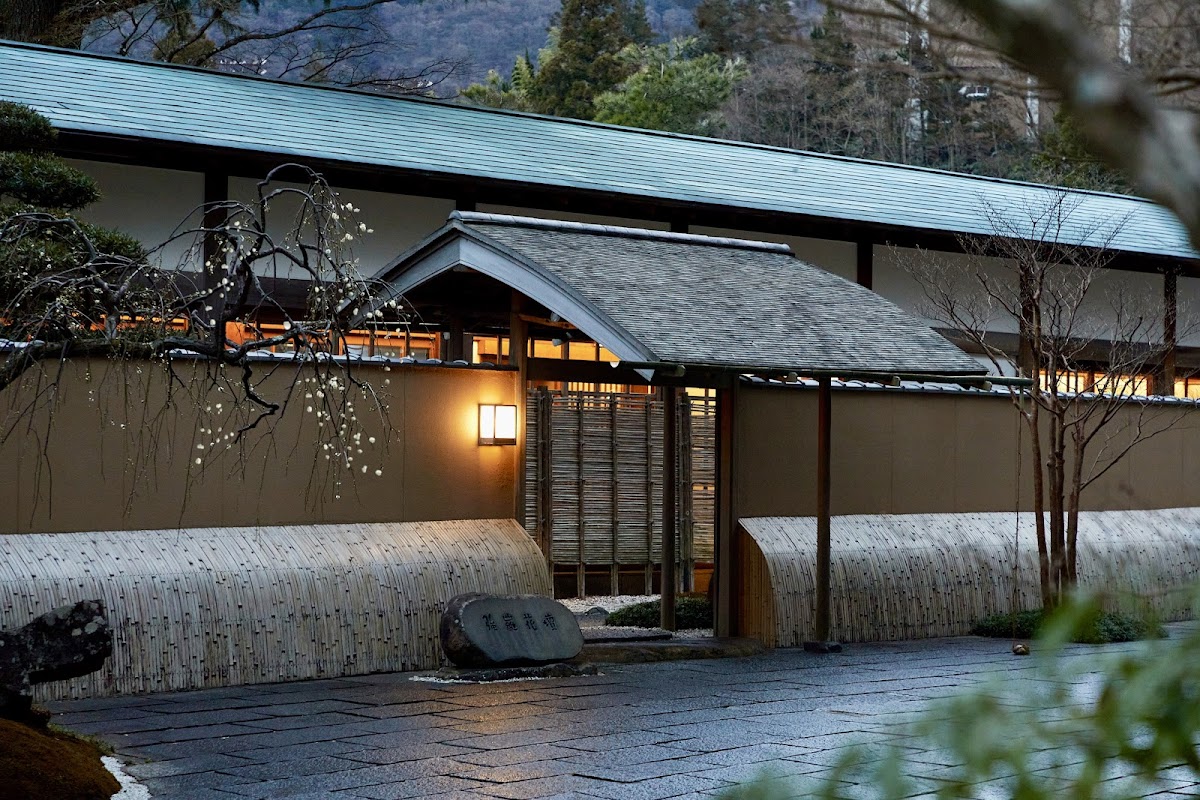
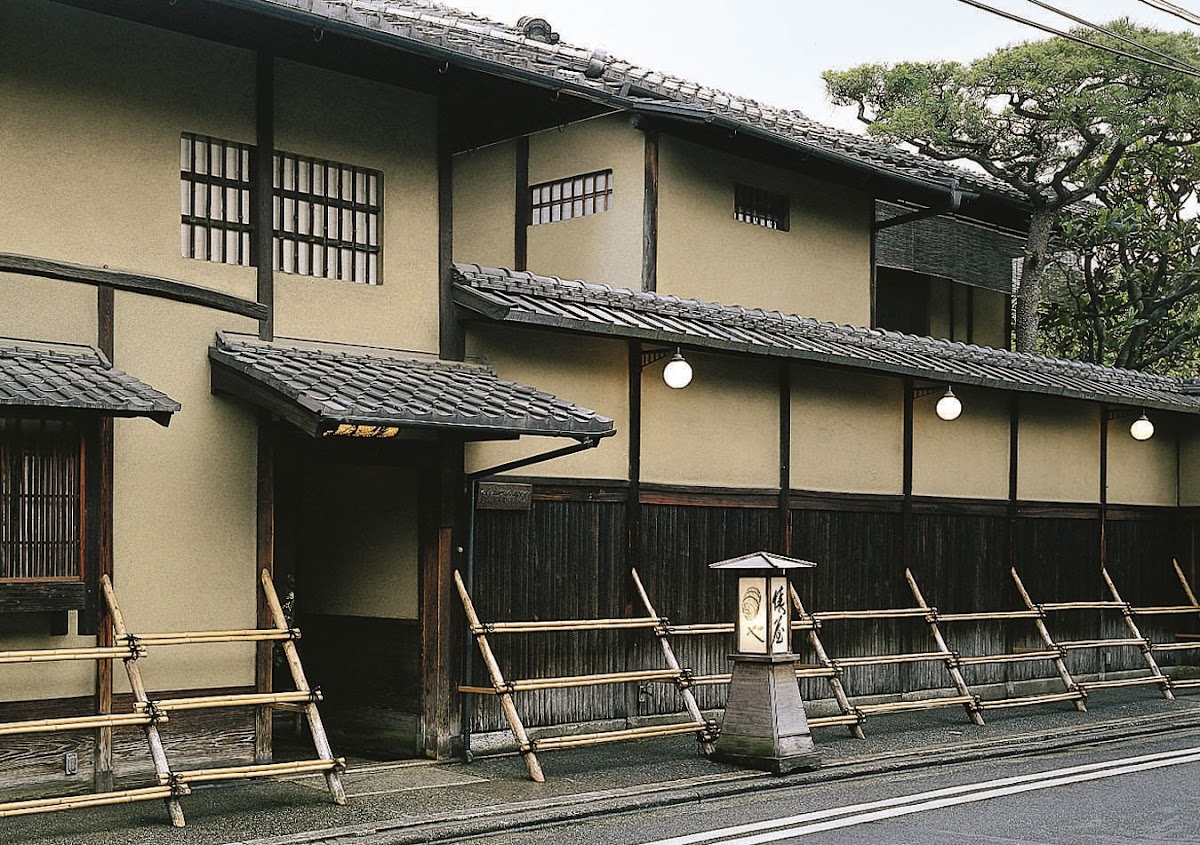
A ryokan is a traditional Japanese inn, but the word "inn" undersells the experience. A stay at a quality ryokan is a choreographed sequence of bathing, dining, and rest that unfolds over roughly 18 hours from check-in to check-out. The room has tatami mat floors and a low table where tea is served on arrival. Futon bedding is laid out while you are at dinner. Meals, typically a multi-course kaiseki dinner and a Japanese breakfast, are part of the rate and often part of the reason you chose the property.
Many ryokan are built around onsen (natural hot springs), with communal baths, private baths, or in-room baths fed by volcanic mineral water. The bathing experience is central: you bathe before dinner, sleep deeply, then bathe again before breakfast. The entire cycle is designed to produce a quality of physical relaxation that hotels simply do not aim for.
For a deeper exploration, see our complete onsen ryokan guide.
What Is a Japanese Hotel?
Hotels in Japan follow Western conventions but often with Japanese refinements. Rooms have beds, private bathrooms, and the infrastructure you expect: reliable WiFi, front desk, room service. But Japanese hotels tend to be cleaner, more precisely maintained, and more service-oriented than their Western equivalents at similar price points.
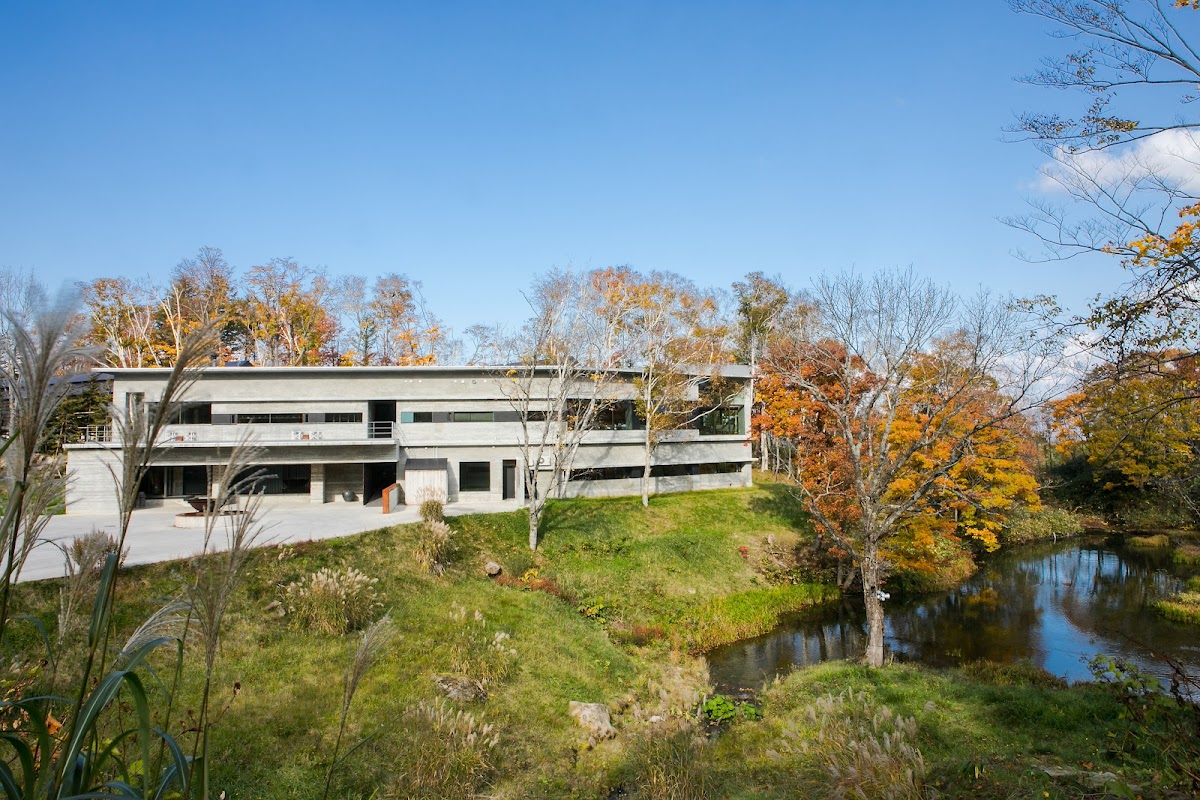
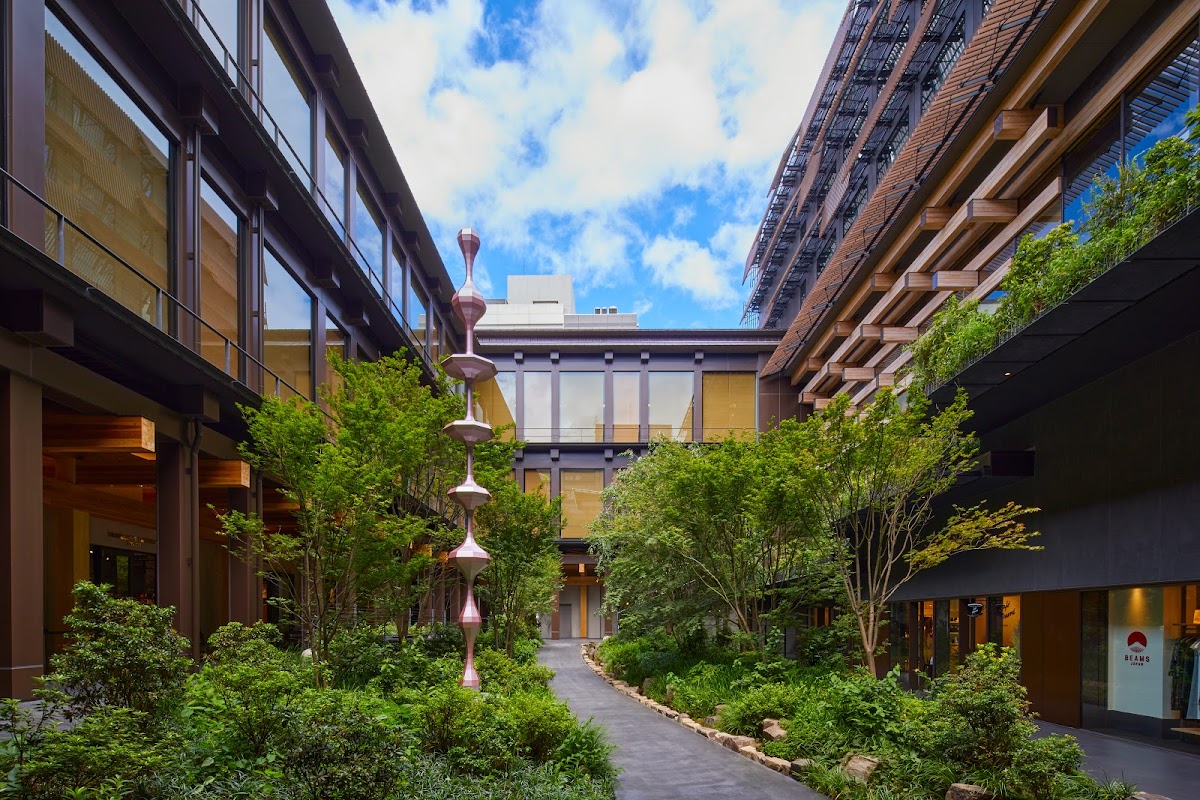
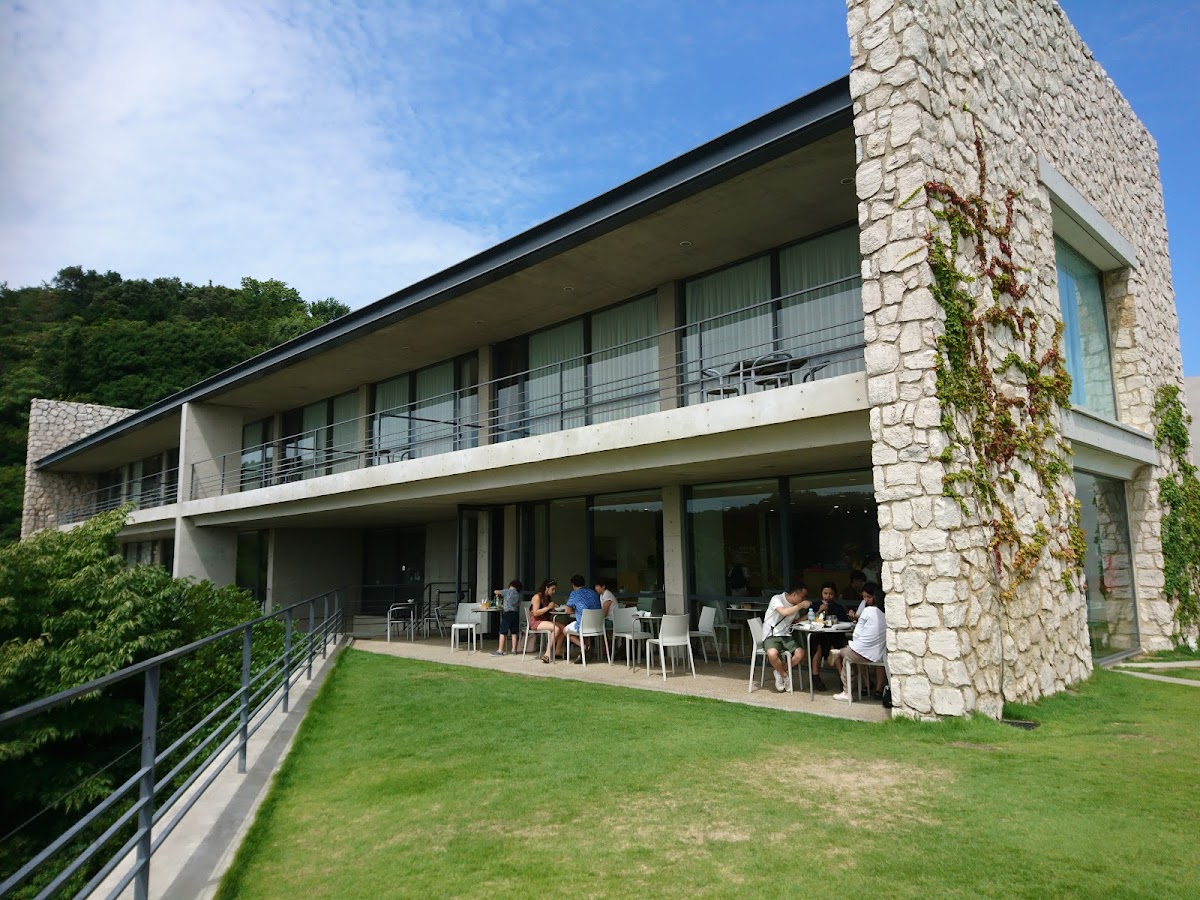
The hotel category in Japan also includes some extraordinary design properties that blur traditional boundaries. Ace Hotel Kyoto, housed in a Kengo Kuma renovation of a 1926 building, is clearly a hotel but deeply rooted in Japanese craft and aesthetics. Benesse House on Naoshima is a hotel inside a Tadao Ando art museum on an island. These properties offer something neither a Western hotel chain nor a traditional ryokan provides.
Head-to-Head Comparison
Room Style
Ryokan: Tatami mat floors, low table, futon bedding (laid out by staff in the evening). Some modern ryokan offer Western beds in Japanese-style rooms. The room is a flexible living space that transforms from sitting room to bedroom.
Hotel: Beds, desk, chair, private bathroom with Western fixtures. The room maintains one configuration.
Verdict: If you want to experience sleeping on futon on tatami, which is significantly different from sleeping on a bed, choose ryokan. If you need consistent comfort and a work-friendly setup, choose hotel.
Meals
Ryokan: Dinner and breakfast are typically included and are often the highlight of the stay. Kaiseki dinner is a multi-course progression of seasonal dishes, sometimes 10-15 courses, that showcases local ingredients and traditional cooking techniques. Breakfast is usually traditional Japanese: grilled fish, rice, miso soup, pickled vegetables, tamagoyaki egg.
Hotel: Meals are separate. You choose from on-site restaurants (if available) or nearby options. This gives you more flexibility but requires planning.
Verdict: If you want someone else to curate your dining experience with exceptional seasonal food, choose ryokan. If you want the freedom to eat where and when you choose, or if dietary restrictions make fixed menus challenging, choose hotel.
Bathing
Ryokan: Often built around natural hot spring baths. Communal baths are gender-separated and entered without swimwear. Many ryokan also offer private baths. The bathing is not optional, it is the central physical experience of the stay. See our onsen etiquette guide for what to expect.
Hotel: Private bathroom in your room. Some hotels also have onsen facilities, especially in hot spring areas. But bathing is a utility, not a cultural experience.
Verdict: If you are comfortable with communal bathing (or prefer a ryokan with private baths), the onsen experience alone justifies choosing ryokan. For those who prefer privacy, look for ryokan with private onsen in every room.
Cost
Ryokan: Rates are per person, not per room, and include two meals. Budget ryokan: $100-150/person/night. Mid-range: $200-400/person/night. Luxury: $500-1,500+/person/night. A couple at a mid-range ryokan pays $400-800/night total, but this includes $200-400 worth of meals.
Hotel: Rates are per room. Budget: $80-150/room/night. Mid-range: $150-350/room/night. Luxury: $400-1,000+/room/night. Add $50-200/person for dinner and breakfast separately.
Verdict: When you factor in meals, mid-range ryokan and mid-range hotels cost roughly the same. At the luxury end, ryokan meals can represent enormous value relative to comparable restaurant dining.
Schedule and Freedom
Ryokan: Check-in by 3:00-4:00 PM (the kitchen starts preparing kaiseki hours ahead). Dinner at a set time, usually 6:00-7:00 PM. Breakfast at a set time, usually 7:30-8:30 AM. Check-out by 10:00-11:00 AM. The structure is the experience; the rhythm of bath-dinner-sleep-bath-breakfast is what makes ryokan special.
Hotel: Flexible check-in (often until late evening), eat when you want, leave when you want. No one plans your evening for you.
Verdict: If you want a structured, curated experience, ryokan. If you prefer autonomy and flexibility, hotel.
The Best of Both Worlds
Several properties successfully blur the boundary between ryokan and hotel, offering Japanese cultural elements with Western convenience:
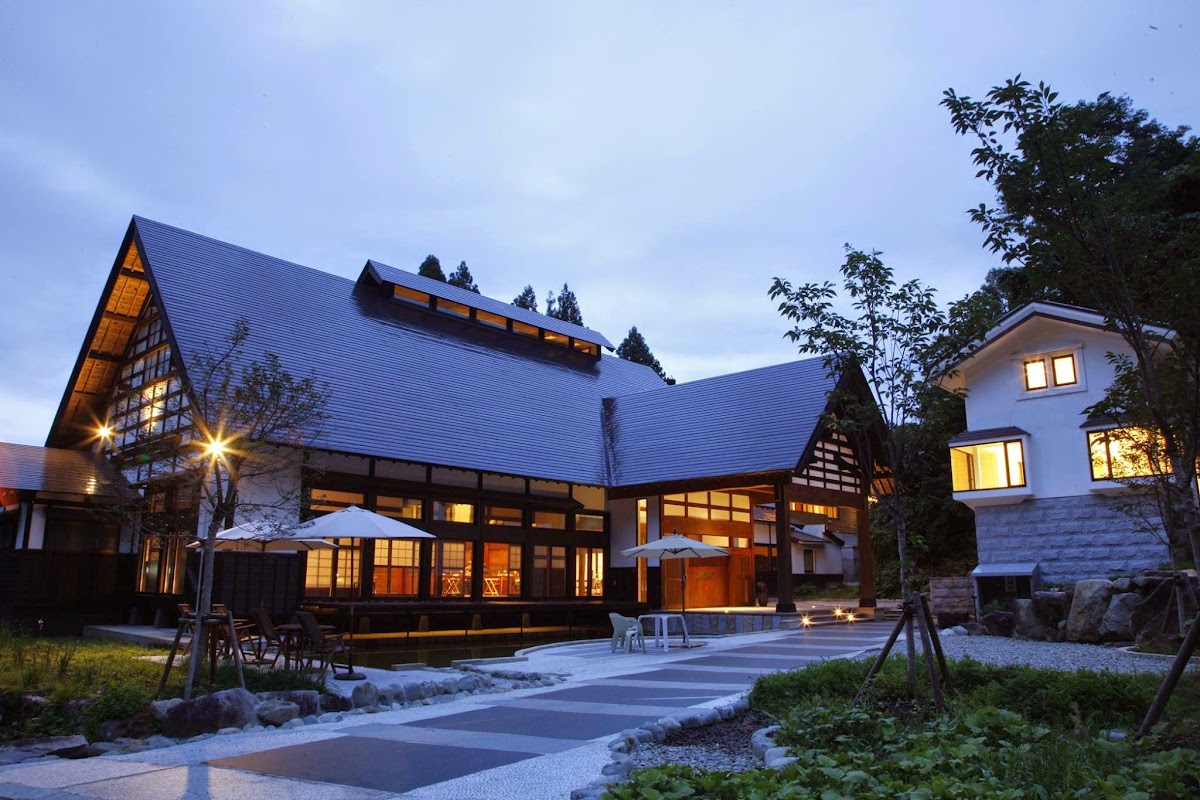
A 150-year-old building with contemporary art and design. The meals are Japanese, the baths are onsen, but the design sensibility is thoroughly modern. It bridges the gap between ryokan tradition and contemporary hotel aesthetics.
Classified as a ryokan but feels like a luxury villa hotel. Private onsen in every room, kaiseki cuisine, but with contemporary architecture and the privacy of a standalone villa rather than a traditional communal inn.
Our Recommendation
For most visitors, the best approach is to mix both within a single trip. Spend your city nights in hotels, where the flexibility suits exploration and nightlife. Spend your nature nights in ryokan, where the structured experience amplifies the landscape, cuisine, and bathing. A typical 10-day Japan trip might include 6 hotel nights (Tokyo, Kyoto, Osaka) and 3-4 ryokan nights (Hakone, countryside, onsen town).
If you only have time for one ryokan experience, make it count. Choose a property with private onsen, excellent kaiseki, and a natural setting. Properties like Gora Kadan in Hakone (1.5 hours from Tokyo) offer the full ryokan experience without requiring a long journey. For longer countryside stays, our countryside guide covers the best options by region.
Frequently Asked Questions
A ryokan has tatami rooms, futon bedding, onsen baths, and kaiseki meals included. A hotel follows Western conventions with beds, private bathrooms, and separate dining. Ryokan offer cultural immersion; hotels offer familiar convenience. Many modern properties blur the line.
Yes. Factor in dinner and breakfast (worth $100-200/person), onsen bathing, and a cultural experience unique to Japan. A $400/night ryokan with meals is comparable to a $250 hotel plus two restaurant dinners. The experience cannot be replicated at a hotel.
One to two nights is ideal. One night gives you the complete cycle of bath, dinner, sleep, morning bath, and breakfast. Two nights allows deeper relaxation. More than two at the same property can feel repetitive unless the location offers significant activities.
Ready to choose? Browse ryokan and hotels on our property map, or dive deeper with our guides to onsen ryokan, ryokan near Tokyo, and nature hotels.