Cherry blossom season transforms Kyoto into something that justifies every superlative written about it. The city's 1,600 temples and shrines, its traditional machiya townhouses, and its garden-culture heritage create a backdrop for sakura that no other city can replicate. For visitors who plan accommodation carefully, the experience is not just about seeing cherry blossoms — it's about living inside the season, waking to blossoms outside your shoji screens, dining on sakura-themed kaiseki, and walking illuminated temple gardens after the day-trip crowds have departed.
This guide covers the best places to stay in Kyoto during cherry blossom season, organized by neighborhood, with specific bloom timing, transport logistics, and booking strategy.
When Cherry Blossoms Bloom in Kyoto
Kyoto's sakura season follows a predictable but annually variable pattern:
- Early bloomers (mid-March): Weeping cherry trees (shidarezakura) at temples like Toji and the Imperial Palace
- Main season (late March - early April): Somei Yoshino variety across parks, rivers, and temple grounds. This is the period most visitors target.
- Late bloomers (mid-April): Omuro cherries at Ninna-ji, double-flowered varieties at Heian Shrine. These provide a second chance for visitors who miss peak bloom.
2026 forecast: Based on recent warming trends, expect full bloom around March 28 to April 3. Check the Japan Meteorological Corporation's sakura forecast (updated weekly from January) for real-time predictions. Blossoms remain attractive for roughly a week after full bloom, with "cherry blossom blizzard" (hanafubuki) occurring as petals fall.
Arashiyama: Riverside Sakura with Mountain Views
Arashiyama's cherry blossoms line the Hozu River beneath the forested mountains of western Kyoto. The combination of river, bridge (Togetsukyo), mountain, and blossoms creates one of Japan's most photographed spring scenes. Staying here means experiencing it at dawn and dusk, when the crowds thin and the light is extraordinary.
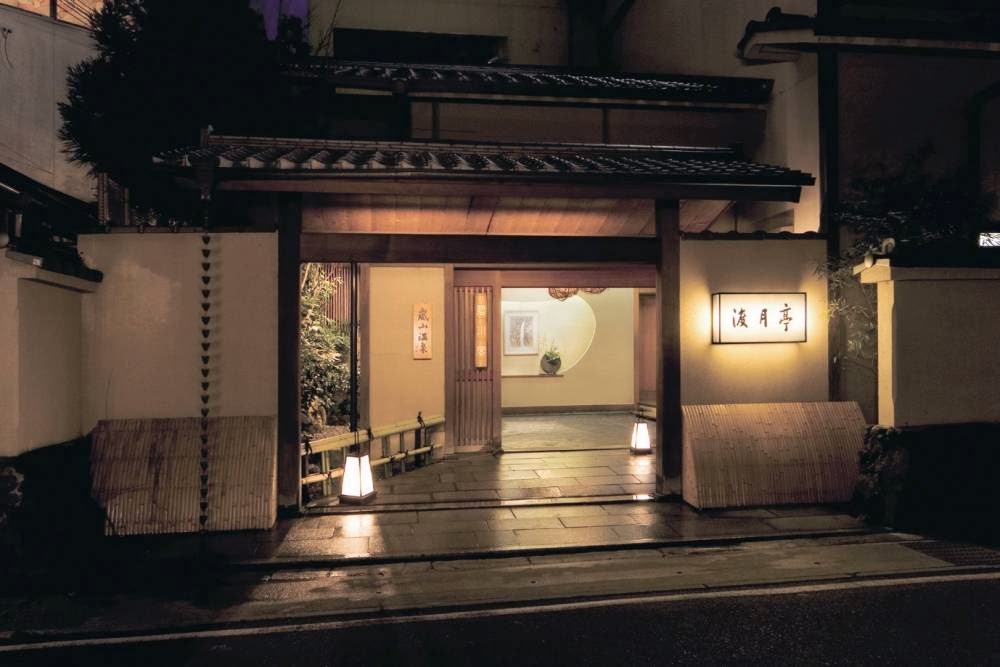
Historic riverside ryokan at the foot of Togetsukyo Bridge. During cherry blossom season, the mountain behind the bridge erupts in pink and white, and the view from the ryokan's river-facing rooms is the definitive Arashiyama sakura scene. The kaiseki shifts to spring ingredients: bamboo shoots, cherry blossom mochi, and seasonal sashimi. Request a river-view room when booking.
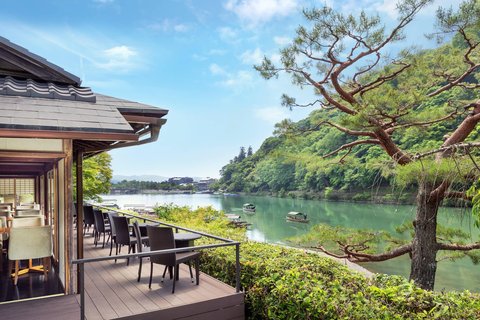
Set along the Hozu River with private moon-viewing terraces that become sakura-viewing platforms in spring. The hotel's garden features its own cherry trees, and the riverside terrace restaurant serves spring menus beneath the blossoms. Suiran combines traditional Kyoto aesthetics with international hotel service standards.
Transport: Arashiyama is 20 minutes from central Kyoto by JR Sagano Line or Hankyu Railway. From Osaka, the Hankyu line reaches Arashiyama in about 50 minutes without transfers.
Higashiyama: The Classic Blossom District
Higashiyama (Eastern Hills) contains Kyoto's densest concentration of cherry blossom viewing: the Philosopher's Path (Tetsugaku no Michi), Maruyama Park, Kiyomizu-dera, and Nanzen-ji. Staying in this district means you can visit these sites early morning or during evening illuminations without battling transport.
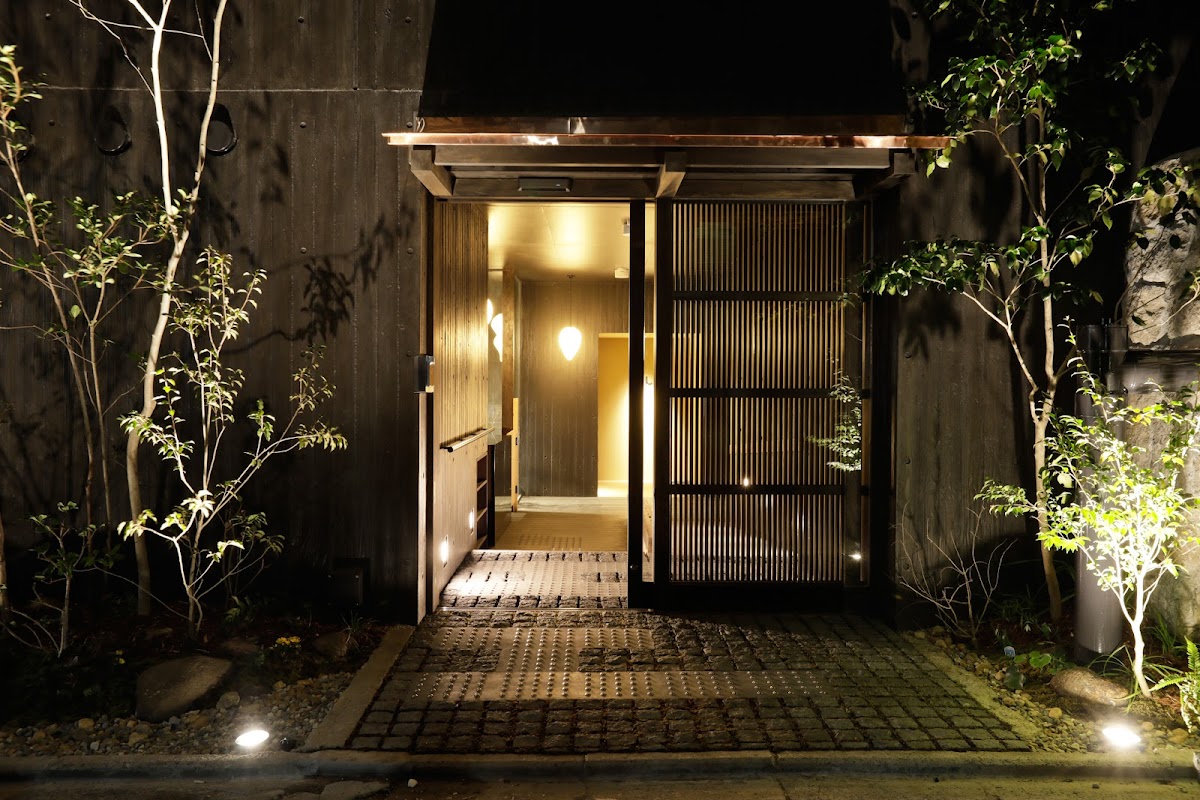
A renovated traditional townhouse in the heart of Gion, steps from Maruyama Park — Kyoto's most famous cherry blossom gathering spot. The park's iconic weeping cherry tree is a five-minute walk. Sowaka's restaurant La Bombance Gion serves French-Japanese cuisine that peaks in spring with sakura-inspired courses.
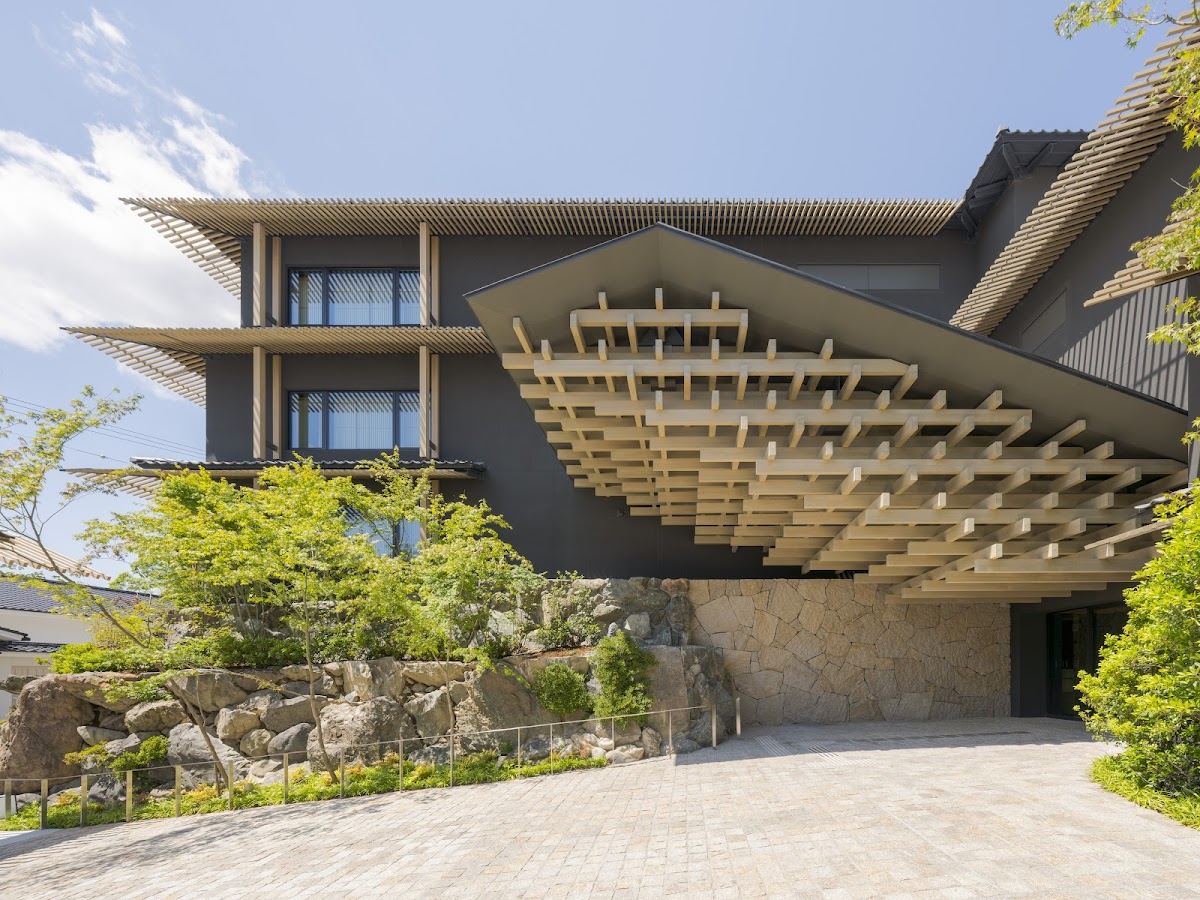
Luxury property set against the forested eastern hills. The cherry trees on the hillside above the hotel create a tiered pink canopy visible from the rooms and spa. The Philosopher's Path is within walking distance, and guests can arrange private temple visits for early-morning sakura viewing before the crowds arrive.
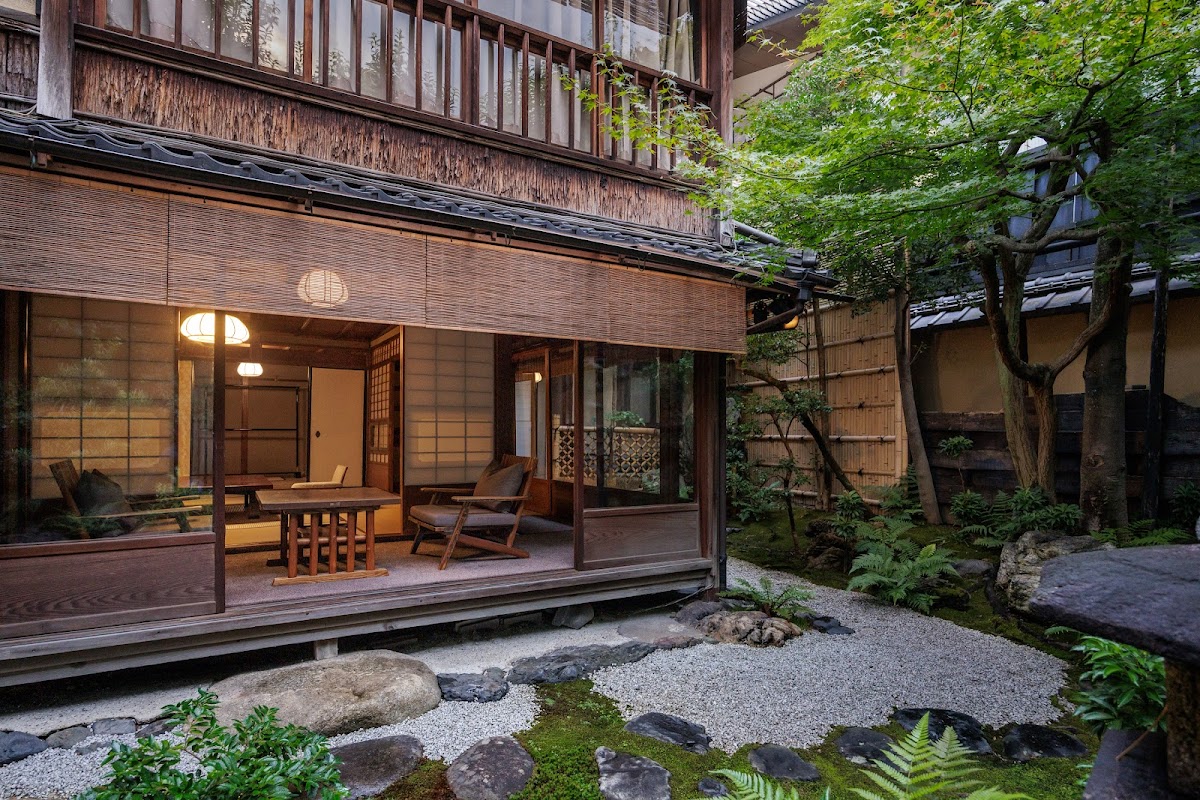
Intimate ryokan with a Japanese garden that includes its own cherry trees. The garden is designed for contemplative seasonal viewing from tatami rooms. Walking distance to Nanzen-ji, whose aqueduct framed by cherry blossoms is one of Kyoto's most distinctive spring images.
Central Kyoto: Traditional Ryokan Heritage
The Nakagyo district holds Kyoto's most storied traditional ryokan — places where emperors and literary figures have stayed for generations. While they may not have direct blossom views, the seasonal transformation of their gardens, the sakura-themed kaiseki cuisine, and the proximity to the Kamo River's cherry-lined banks make them a deeply authentic spring choice.
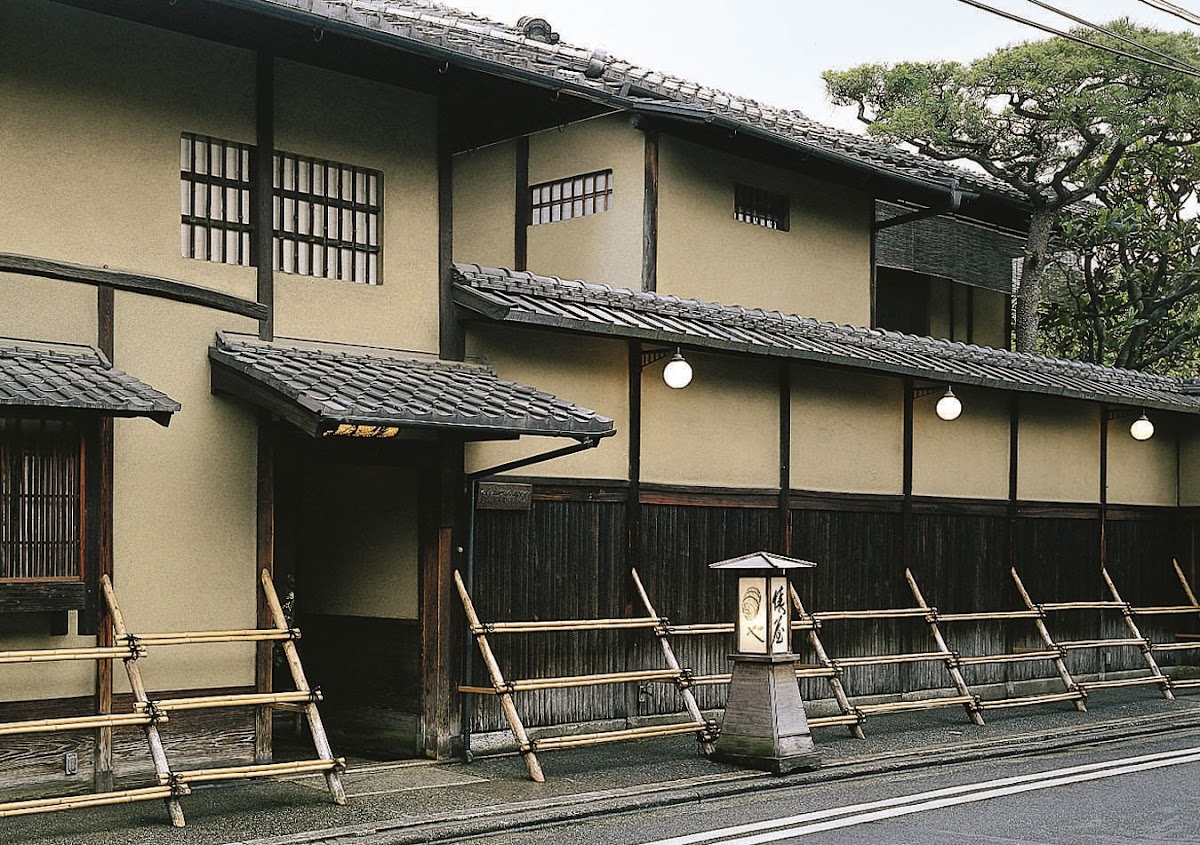
Japan's most revered ryokan, operating since 1709. Each room faces a meticulously maintained garden that shifts with the seasons. During cherry blossom season, the garden's spring plantings, the seasonal kaiseki, and the unhurried pace of the ryokan create a distinctly Japanese way to experience the season. The Kamo River cherry blossoms are a short walk east.
Operating since 1818, Hiiragiya offers a quieter alternative to Tawaraya with the same devotion to seasonal expression. The spring kaiseki features cherry blossom-shaped garnishes, spring bamboo, and sakura mochi. The ryokan's garden incorporates early-blooming cherry varieties that peak before the main season.
Boutique ryokan with a renowned in-house kitchen that produces what many consider Kyoto's finest kaiseki. The spring menu is among the year's most anticipated, incorporating sakura-infused dishes, young mountain vegetables, and seasonal fish. A culinary way to experience cherry blossom season.
Shimogamo & North Kyoto: River & Forest Blossoms
Nestled beside Shimogamo Shrine's ancient Tadasu no Mori forest. The Kamo River's cherry blossom-lined banks are steps away, and the riverbank path north toward Kamigamo offers one of Kyoto's most peaceful sakura walks. The ryokan itself sits in a forested setting that feels removed from the city's tourist bustle.
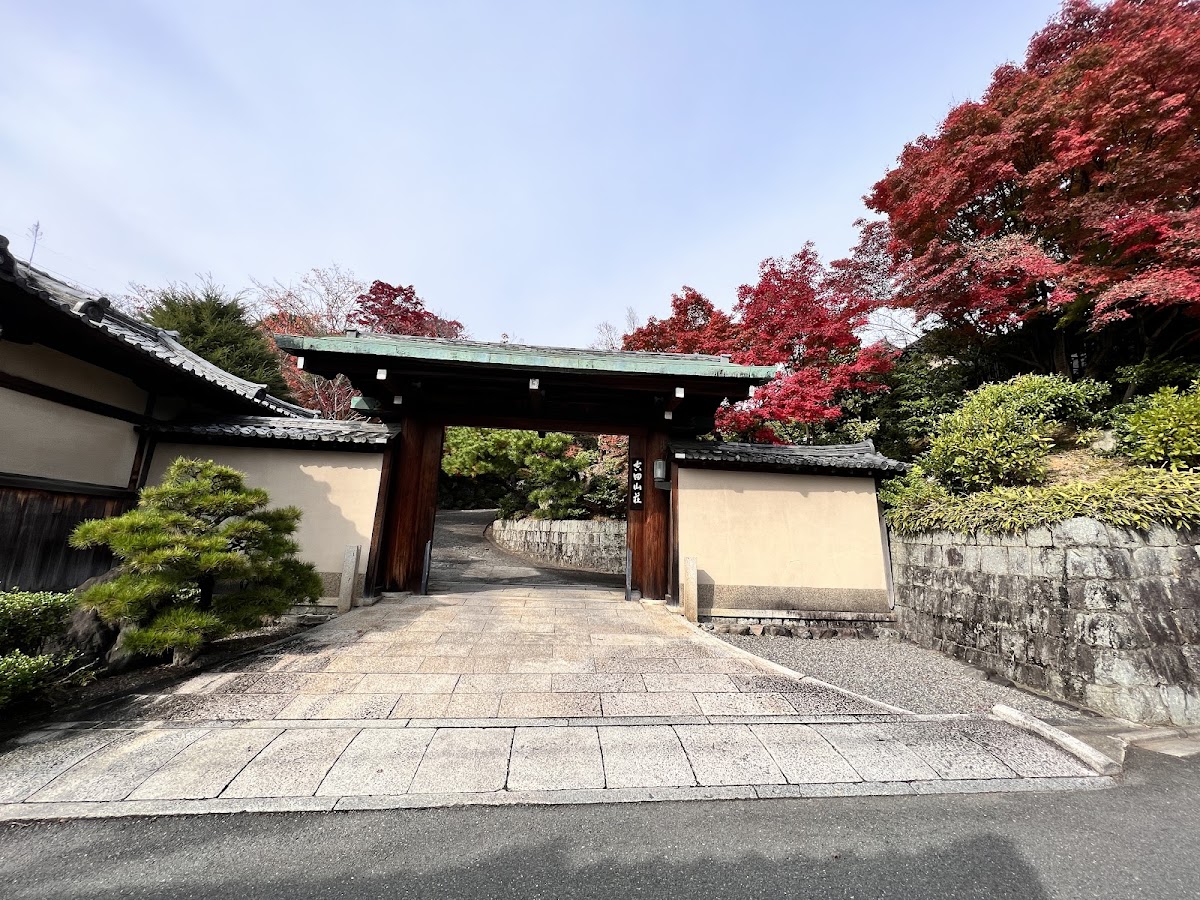
Former imperial prince's villa on Yoshida Hill, overlooking a sacred forest. The hillside cherry trees provide private viewing from the inn's rooms, and Yoshida Shrine's grounds are blanketed in blossoms during early April. The elevated position offers views across to the Higashiyama mountains with their scattered pink canopy.
Takao: Mountain Cherry Blossoms
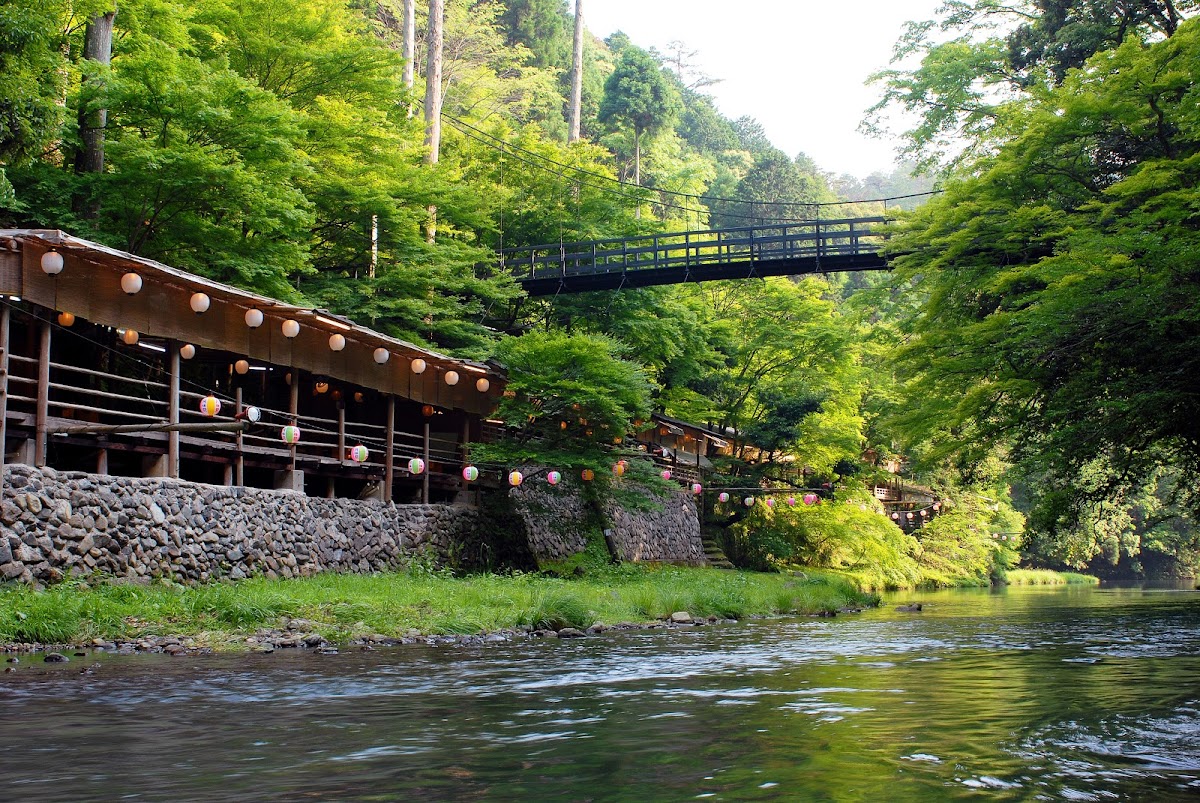
While famous for autumn foliage (the name means "maple house"), Momijiya's riverside location in the Takao mountains also provides a mountain cherry blossom experience. Wild mountain cherries bloom along the Kiyotakigawa River, and the private balcony baths overlook the forested river valley. Takao's blossoms peak slightly later than central Kyoto, offering a second-chance option.
Getting to Kyoto During Cherry Blossom Season
From Tokyo: Shinkansen (Nozomi) takes 2 hours 15 minutes. During peak sakura weekends, reserve seats well in advance — unreserved cars fill quickly.
From Osaka: JR Special Rapid to Kyoto Station in 30 minutes, or Hankyu Railway to Kawaramachi in 45 minutes.
From Kansai Airport: Haruka Express to Kyoto Station in 75 minutes.
Within Kyoto during sakura: Buses become extremely crowded during blossom season. The subway and private railways (Keihan, Hankyu) are more reliable. Walking and cycling are often the best options — Kyoto is flat and compact, and the best blossom spots are connected by pleasant walking routes along the Kamo River and through the Higashiyama hills.
Booking Strategy for Sakura Season
- 6-12 months ahead: Required for Tawaraya, Hiiragiya, Togetsutei, and Suiran. These ryokan have limited rooms and global demand.
- 3-6 months ahead: Mid-range ryokan and boutique hotels. Book as soon as the preliminary bloom forecast is released in January.
- Flexible dates: Bloom timing varies by 1-2 weeks annually. If possible, keep your dates flexible and book a cancellable rate, adjusting once the forecast narrows in February-March.
- Weekday advantage: Tuesday-Thursday stays are dramatically easier to book and often 20-40% cheaper than weekend rates during peak bloom.
- Pricing: Expect premium pricing during sakura season. Top ryokan charge ¥80,000-¥150,000+ per person per night. Boutique hotels range ¥30,000-¥80,000. Budget options exist but require very early booking.
Kyoto Sakura Events & Illuminations
- Maruyama Park yozakura: The park's famous weeping cherry is illuminated nightly during bloom, with food stalls creating a festive atmosphere. Free entry, open until late.
- Kiyomizu-dera night illumination: Special evening openings during sakura season with the temple dramatically lit against the night sky and blossoms. Ticketed entry (¥400).
- Nijo Castle light-up: The castle grounds feature elaborate lighting installations during cherry blossom season. Ticketed entry.
- Philosopher's Path: The canal-side cherry tunnel is at its best in early morning (before 8am) or at dusk. No formal illumination, but this is when the path is most magical and least crowded.
What to Eat During Sakura Season
Spring kaiseki in Kyoto is a highlight of the culinary year. Expect to see: sakura mochi (cherry blossom rice cake), young bamboo shoots (takenoko), cherry blossom-pickled items, spring mountain vegetables (sansai), sakura-dai (cherry blossom sea bream), and cherry blossom-infused drinks. The visual presentation is as important as taste — dishes are garnished with actual cherry blossoms and spring flowers.
Frequently Asked Questions
Kyoto's cherry blossoms typically peak between late March and early April. Weeping cherries bloom earliest (mid-March), the main Somei Yoshino variety peaks late March to early April, and late bloomers at Ninna-ji extend into mid-April. Check the Japan Meteorological Corporation's sakura forecast for annual predictions.
Book 6-12 months in advance for premier ryokan like Tawaraya and Hiiragiya. Mid-range properties fill 3-4 months before peak. Weekdays are easier to secure than weekends.
Arashiyama for riverside sakura scenes, Higashiyama for temple district blossoms and the Philosopher's Path, and Shimogamo for a quieter riverside experience. Each offers a different sakura atmosphere.
For Kyoto stays beyond cherry blossom season, see our Kyoto nature stays guide and autumn Kyoto guide. For other spring destinations, explore cherry blossoms in Hakone and spring in Yoshino. Browse seasonal recommendations on our spring stays page and explore all properties on the interactive map.