There's something about cabin stays that strips away the noise of daily life. The creak of wood, the scent of cedar, the view of nothing but trees from your window. Japan's cabin culture runs deep, from the mountain huts of the Japanese Alps to the modern architect-designed retreats that dot the highlands of Nagano and Yamanashi.
We've stayed in cabins across Japan's mountain ranges, forests, and lakeshores. This guide covers the best cabin experiences we've found, whether you're looking for a rustic escape, a design-forward workation base, or a cozy winter retreat with a wood-burning stove and a hot spring nearby.
Why Choose a Cabin Stay in Japan?
Japan's cabin stays offer something hotels cannot: a direct, unmediated connection with nature. You're not looking at nature through a lobby window. You're in it. The forest is your garden, the mountain stream your soundtrack, the stars your nightlight.
What makes Japanese cabins distinctive is the integration of modern comfort with natural materials. Many newer cabins are architect-designed, carbon-neutral, and equipped with high-speed internet, making them as functional as they are beautiful. Traditional options, like thatched-roof cottages, offer a window into rural Japan's living heritage.
Cabin stays work brilliantly for solo travelers seeking quiet focus, couples wanting a romantic forest escape, families looking for nature adventures, and remote workers who need a change of scenery with reliable Wi-Fi.
Mountain Cabins
Japan's mountain ranges provide the most dramatic cabin settings. The Yatsugatake range and the Northern Alps are home to some of the country's finest mountain cabin experiences.
1. SANU 2nd Home - Yatsugatake (Yamanashi)
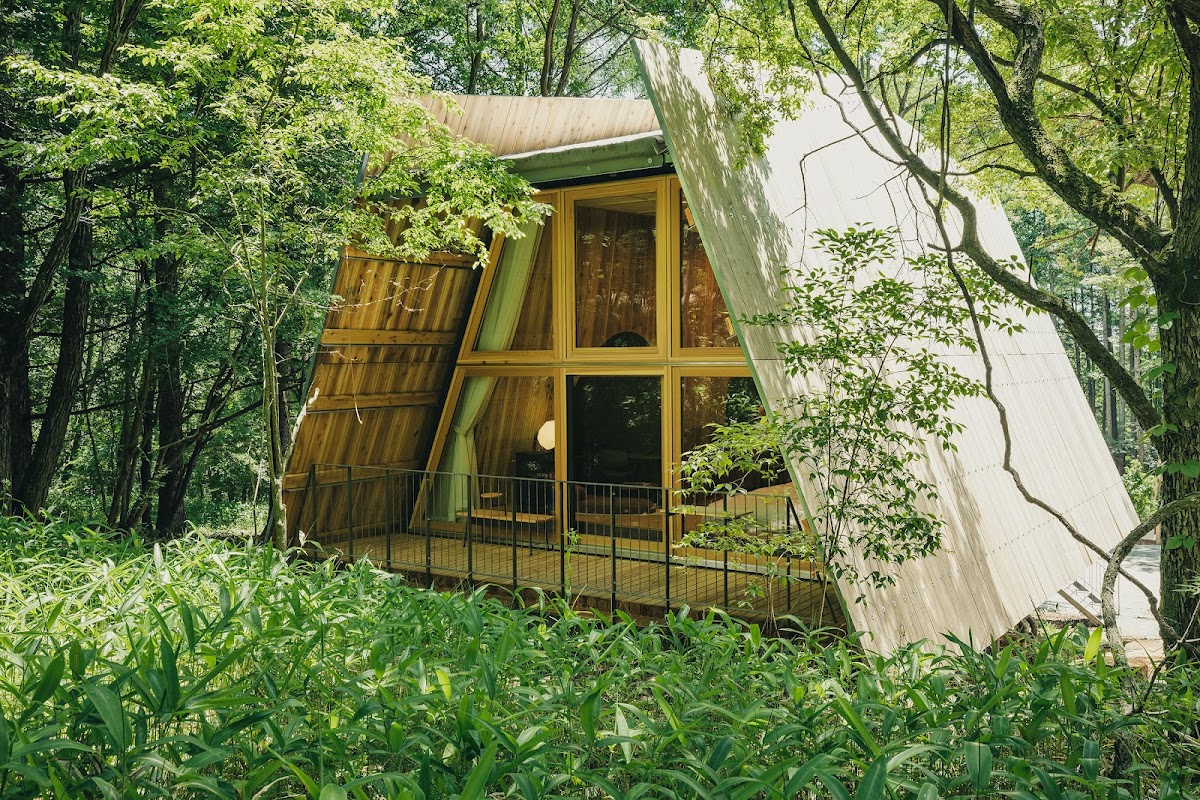
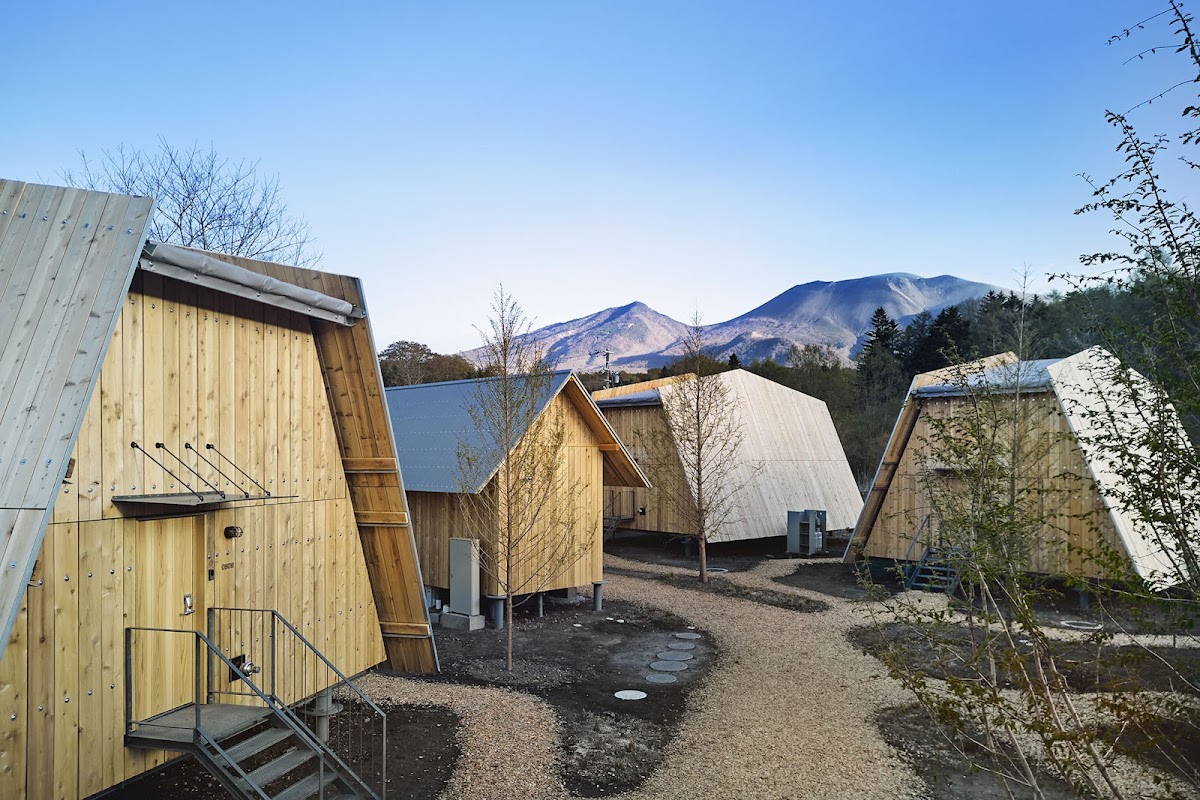
The original SANU cabin location and still one of the best. Nestled in ancient forests of the Yatsugatake mountain range, these carbon-neutral cabins feature floor-to-ceiling windows that frame the towering conifers and jagged peaks. A wood-burning stove, loft sleeping area, and high-speed Wi-Fi complete the package. The subscription model makes regular visits affordable.
2. SANU 2nd Home - Hakuba (Nagano)
Sustainably built at the base of the Hakuba Alps, these mountain cabins are ideal for ski season stays in winter and alpine hiking in summer. The dramatic backdrop of the Northern Alps is hard to match anywhere in Japan. SANU's consistent design quality means you know exactly what level of comfort to expect.
3. SANU 2nd Home - Tsumagoi (Gunma)
The most remote of the SANU locations, set in Tsumagoi's volcanic highland forest. The isolation here is total: no restaurants, no convenience stores, just you and the forest. Bring supplies and settle in for a digital detox (or paradoxically, a deeply focused remote work session with the high-speed Wi-Fi).
4. SANU 2nd Home - Tateshina (Nagano)
Highland cabin in Tateshina's birch forests at 1,500m elevation. The highland air is noticeably cleaner, and the birch trees create a distinctly different atmosphere from the conifer forests of lower elevations. Designed for deep rest and nature connection.
Forest Cabins
For those who want to be completely surrounded by trees, these forest cabins deliver total immersion in Japan's woodlands.
5. SANU 2nd Home - Karuizawa (Nagano)
Set in Karuizawa's famous birch woods, this is the most accessible SANU cabin from Tokyo (just 1 hour by Shinkansen). Karuizawa has been Japan's premier highland resort town since the Meiji era, offering excellent restaurants, galleries, and hiking trails alongside the forest seclusion of your cabin.
6. Pines Cottage Yatsugatake (Yamanashi)
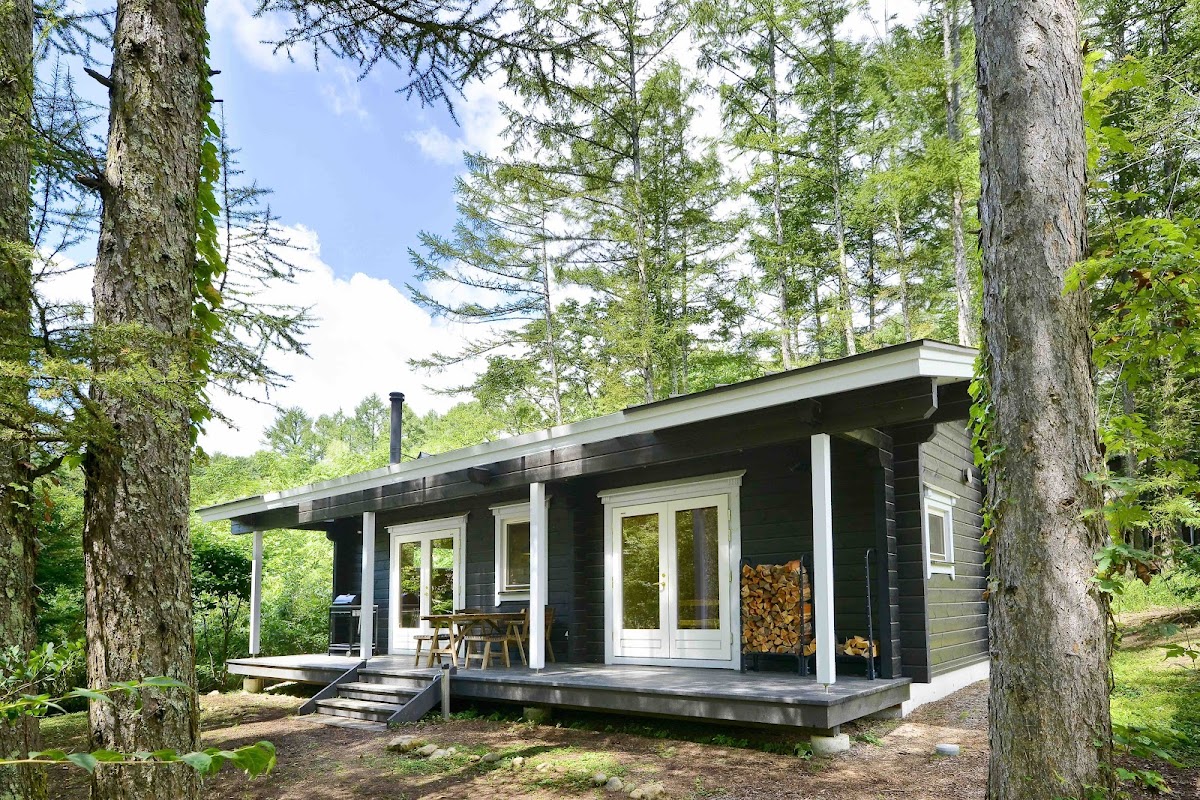
Authentic Finnish Honka log houses nestled in the Yatsugatake forest. These are proper log cabins: solid wood construction with that distinctive pine scent, wood-burning sauna, and the craftsmanship of Finland's premier log house builder. If you dream of a Scandinavian cabin but want it in the Japanese highlands, this is your place.
7. Miyama Futon & Breakfast (Kyoto)
Five thatched-roof cottages run by a master roof thatcher. These aren't modern cabins; they're living pieces of Japan's architectural heritage. Sleeping under a hand-thatched kayabuki roof in rural Kyoto is an experience you simply cannot get anywhere else. The breakfast featuring local mountain vegetables is a highlight.
8. Chiiori (Tokushima)
A 300-year-old thatched-roof farmhouse in one of Japan's three great secluded valleys. Restored by American author Alex Kerr, Chiiori (House of the Flute) sits high on a mountainside overlooking the spectacular Iya Valley. This is cabin living at its most historically rich and geographically remote.
Lakeside Cabins
Water adds a meditative quality to any cabin stay. These lakeside properties combine forest seclusion with the calming presence of Japan's most beautiful lakes.
9. Rotel Hotel Biwako (Shiga)
A lakeside design lodge on Japan's largest lake, where water, mountains, and minimalist architecture converge. The rooms face directly onto Lake Biwa, and the surrounding Shiga mountains provide a spectacular backdrop. It's a different kind of cabin experience, where the lake replaces the forest as your primary view.
10. SANU 2nd Home - Awaji Island (Hyogo)
A coastal cabin on Awaji Island with Seto Inland Sea views. This SANU location swaps mountains for ocean, offering a completely different nature context. The island's mild climate, local seafood, and proximity to the Naruto whirlpools make it an underrated destination for cabin enthusiasts.
11. Yatsugatake Kogen Lodge (Nagano)
A highland lodge at 1,500m elevation with a concert hall designed by a master architect. This unique cabin-lodge hybrid combines mountain accommodation with cultural programming, including classical music concerts in an acoustically perfect woodland setting.
12. The Little Onsen Cabins (Hokkaido)
Two hand-built forest cabins with private stone onsen baths crafted from local Hokkaido materials. Each cabin has its own natural hot spring bath, making winter stays particularly magical. The handcrafted quality sets these apart from any mass-produced cabin experience.
How to Book Cabin Stays in Japan
Booking approaches vary by property type:
- SANU cabins operate on a subscription model (monthly membership) with per-night fees, though some offer one-time booking through their website. Check sa-nu.com for current availability.
- Independent cabins like Pines Cottage and Little Onsen Cabins can be booked directly through their websites or through Japanese booking platforms like Rakuten Travel or Jalan.
- Traditional cabins like Miyama Futon & Breakfast and Chiiori accept direct bookings and sometimes appear on Booking.com.
- Design lodges and eco-lodges typically offer direct booking with the best rates on their own websites.
Tip: Book mountain and highland cabins at least 2-3 months in advance for autumn foliage season (October-November) and winter holiday periods. Summer weekends also fill quickly at popular locations.
Frequently Asked Questions
Japan offers several cabin types: architect-designed modern cabins (like SANU), traditional log houses, Finnish-style Honka cabins, thatched-roof cottages, and mountain lodges. Most feature heating, private bathrooms, and kitchen facilities.
Yes, many modern cabins are designed for workation stays. SANU cabins feature high-speed Wi-Fi, dedicated work desks, and quiet forest settings. The Yatsugatake and Karuizawa areas are especially popular for remote work retreats.
Budget cabins start from around $80-120 per night. Mid-range architect-designed cabins like SANU typically cost $150-350 per night. Premium cabin experiences with gourmet dining and private onsen can range from $300-600+ per night.
SANU Karuizawa is just 1 hour from Tokyo by bullet train. Pines Cottage Yatsugatake and SANU Yatsugatake are about 2 hours away by car.
Every season has its charm. Autumn (October-November) brings stunning foliage. Winter cabin stays with wood-burning stoves and nearby hot springs are magical. Spring and summer offer lush green forests and pleasant hiking weather.
Looking for more nature accommodation options? Check out our guides to glamping in Japan, nature stays near Tokyo, and the complete countryside retreat guide. Or browse all properties on our map.